
Datura Plant: Exploring Its Traditional Uses And Toxicity Risks

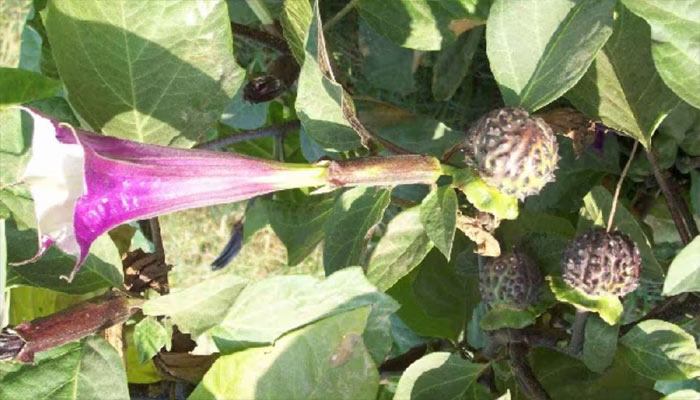
Datura is a highly poisonous plant that has nevertheless been used in traditional medicine for centuries. Experts Vaidya Vasudev Mukhiya, who has nearly 20 years of experience with medicinal herbs, and Ayurvedacharya Bhuvanesh Pandey, who has around 40 years of Ayurvedic experience, explain both its traditional significance and the serious risks associated with the plant.
Datura contains potent compounds such as atropine, scopolamine and hyoscyamine. These substances can affect the nervous system and may cause hallucinations, memory disturbances, vomiting, rapid heartbeat, dry mouth and other severe symptoms. In cases of significant exposure, Datura poisoning can become life-threatening.
Every Part Of Datura Can Be Toxic
Experts warn that the plant’s fruits, seeds, flowers and leaves can all contain toxic compounds. Accidental ingestion can result in serious poisoning, making Datura very different from commonly used medicinal herbs.
The safety concerns have also led to regulatory action. Karnataka’s Food Safety and Drugs Administration has reportedly taken action against online listings of Datura fruits and seeds on platforms including Amazon, Swiggy and Instamart. Food licences associated with such sales have reportedly been suspended until further orders.
Does Datura Have Medicinal Uses?
Despite its toxicity, Datura has a long history in traditional Ayurvedic practices. However, experts stress that the raw plant should never be consumed directly. Traditional formulations involving Datura require specific processing and should only be prepared and used under qualified supervision.
According to the experts, properly prepared Datura-based formulations have traditionally been associated with ailments including arthritis, sciatica, ear pain, swelling or heaviness in the legs and winter-related body aches.
These traditional applications should not be interpreted as evidence that consuming raw Datura is safe or medically advisable.
Never Try Datura As A Home Remedy
Datura should not be treated as an ordinary herbal ingredient. Its powerful toxic compounds can cause unpredictable and potentially dangerous reactions, particularly when homemade preparations are used without professional guidance.
Experts therefore advise against eating Datura fruits, seeds, flowers or leaves directly. Any traditional medicinal use should only be considered under the supervision of a qualified Ayurvedic practitioner and, where appropriate, a medical professional.
Comments are closed.