
Eastern US Braces for Dangerous Heat Dome Before Holiday Weekend

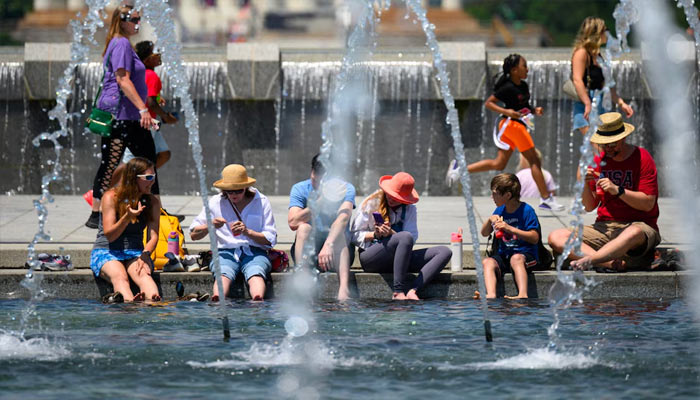
Heat dome scorches eastern US, millions face dangerous temperatures before July 4 weekend
A dangerous heat dome continued to bake the eastern United States on Thursday, sending temperatures soaring, straining power grids and prompting health warnings as millions prepared for the Fourth of July holiday weekend. The heat wave, which first gripped the Midwest, expanded into the Northeast, with temperatures reaching or exceeding 100°F (38°C) in cities including New York and Washington, DC.
Forecasters warned the oppressive humidity would make conditions even more dangerous. The National Weather Service said the heat index, or the “feels-like” temperature, could climb to 115°F (46°C) across parts of the Mid-Atlantic, raising the risk of heat exhaustion and heatstroke.
Cities roll out emergency measures
With Independence Day celebrations and FIFA World Cup matches expected to draw large outdoor crowds, authorities urged residents to stay indoors during the hottest part of the day, drink plenty of water and seek air-conditioned spaces whenever possible.
New York City activated hundreds of cooling centres, extended public pool hours and opened cooling stations equipped with misting fans and cold towels. Volunteers were also deployed to check on elderly and vulnerable residents.
Many New Yorkers flocked to public pools to escape the sweltering conditions, while dog owners headed out early before roads and pavements became dangerously hot. Outdoor workers, including construction labourers and delivery drivers, however, had little option but to continue working through the extreme heat.
Power demand surges
The relentless heat drove electricity demand sharply higher as air conditioners ran continuously across the region.
New York Mayor Zohran Mamdani and city utility officials appealed to residents to conserve electricity by setting air conditioners to 78°F (26°C), postponing the use of appliances such as dishwashers and washing machines, and limiting unnecessary energy consumption to reduce pressure on the power grid.
Similar appeals were issued in Philadelphia and several other cities to help prevent electricity disruptions during the prolonged heat wave.
Heat wave linked to climate change
Meteorologists said the extreme conditions were caused by a heat dome—a persistent high-pressure system that traps hot air over a region, allowing temperatures to build for days. Scientists say climate change is making heat waves more frequent, longer-lasting and more intense. Rising global temperatures driven by fossil fuel emissions have increased the likelihood of prolonged periods of extreme heat in many parts of the world.
The weather also forced changes to some Fourth of July events, with a rodeo on the National Mall postponed and public access cancelled for a rehearsal of the annual US Capitol holiday concert because of safety concerns.
As the heat wave continues through the holiday weekend, officials are urging people to stay hydrated, avoid strenuous outdoor activity during peak afternoon hours and regularly check on children, older adults and others most vulnerable to heat-related illnesses.
Comments are closed.