
Europe Heat Wave: Italy Issues Highest Heat Warning Across Major Cities

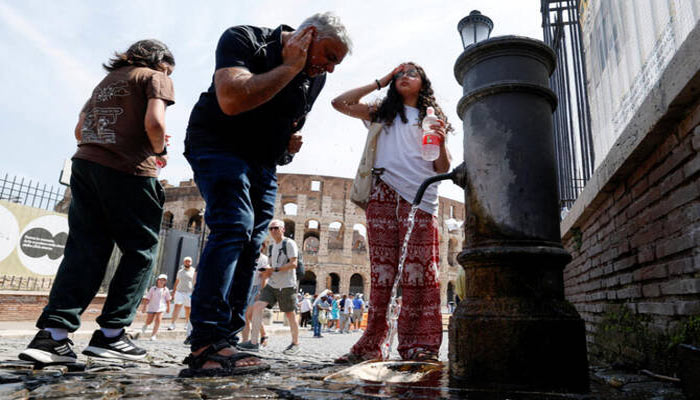
Europe Heat Wave: Italy Places All Major Cities on Red Alert as Temperatures Soar
A powerful heat wave sweeping across Europe has pushed temperatures above 40°C in several countries, prompting Italy to issue its highest heat alert for every major city, while record temperatures, wildfires and energy disruptions impact communities across the continent.
Italy’s Health Ministry placed all 27 cities monitored under its national heat surveillance system on red alert on Thursday — the first time this year that the entire network has been placed under the maximum warning level at the same time.
The alert, which stretches from Trieste in northern Italy to Palermo in Sicily, signals a health risk for the entire population. Authorities warned residents and tourists to avoid direct sunlight during the hottest hours, stay hydrated and limit outdoor activity.
Italy faces peak summer heat
The extreme temperatures have forced Italian authorities to adjust public services and tourism operations.
In Rome, officials extended evening visiting hours at major attractions, including the Colosseum and Pantheon, allowing tourists to avoid the most dangerous afternoon heat. Cooling mist fans and additional medical support stations were installed at popular sites.
The capital also opened a temporary “urban beach” along the Tiber River, providing pools, shaded areas and water facilities for residents looking for relief from the heat.
“It is excellent, it is a great initiative. Especially with such hot days, it is important to cool down with water, especially for children,” Rome resident Claudio Rocchi said.
- Record temperatures hit Europe
- The heat wave has broken temperature records across parts of Europe.
Austria recorded its highest-ever temperature after the mercury reached 41.2°C in Bad Deutsch-Altenburg near the Slovak border. The country is also dealing with severe drought, with rainfall during the first half of the year significantly below average.
Slovakia recorded an even higher national temperature record, with 42.2°C reported in Dolne Plachtince. Authorities said extremely low Danube water levels had also affected energy production, forcing the country’s largest hydroelectric power plant to reduce operations.
Related Posts
Drought threatens energy supply
The prolonged heat and lack of rainfall have placed Europe’s energy infrastructure under pressure.
In Hungary, low water levels on the Danube have affected the country’s only nuclear power plant, which relies on river water for cooling. Operators reduced production to around 10% of normal levels, leading the government to introduce emergency conservation measures.
Industries and households were asked to reduce electricity consumption during peak evening hours. Several major companies, including manufacturers and energy firms, announced plans to cut power use, while freight train operations were restricted during periods of high demand.
Germany also faced challenges as falling water levels on the Rhine created difficulties for inland shipping, industrial operations and supply chains.
- Wildfires spread amid dry conditions
- The extreme heat has intensified wildfire risks across southern Europe.
In France’s Var region, firefighters continued monitoring a major wildfire that has burned more than 60 square kilometres. Although the blaze was no longer actively spreading, authorities warned that dry vegetation and strong winds could trigger fresh outbreaks.
Serbia has also battled multiple wildfires after days of hot and dry weather, including fires affecting forest areas near Belgrade and Kraljevo.
Along Croatia’s Adriatic coast, tourists in Dubrovnik sought shade and avoided outdoor exposure during peak heat as temperatures approached 40°C.
Europe adapts to a harsher climate
The latest heat wave has highlighted growing pressure on Europe’s healthcare systems, tourism sector, transport networks and energy infrastructure.
Scientists and officials have warned that extreme heat events are becoming more frequent and intense as global temperatures rise. Governments across the continent are now facing the challenge of adapting cities and public systems to longer and more severe periods of extreme weather.
With high temperatures expected to continue in several regions, authorities have urged people to take precautions, particularly elderly residents, children and those with health conditions.
Comments are closed.