

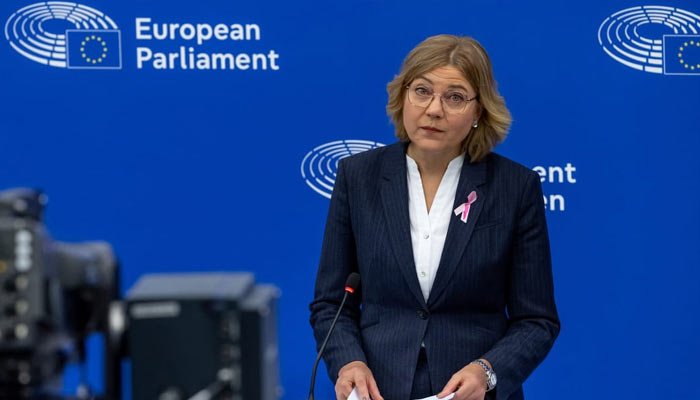
EU Tech Chief Sounds Alarm Over Europe’s Dependence on US Technology
European Union technology chief Henna Virkkunen has warned that Europe remains overly dependent on foreign technology companies, particularly those from the United States, and must strengthen its own capabilities in areas such as artificial intelligence, cybersecurity and defence.
Speaking at the Web Summit Rio conference in Brazil on Thursday, Virkkunen said the EU’s push for greater technological independence was aimed at improving resilience and competitiveness rather than erecting barriers to international cooperation.
“The reality today is that around 80 per cent of the technologies we use come from outside Europe,” she said, highlighting concerns over the bloc’s reliance on non-European providers for critical digital infrastructure and emerging technologies.
Focus on Digital Sovereignty
Virkkunen argued that Europe cannot afford to depend heavily on a small number of foreign companies for technologies that are increasingly central to economic growth, national security and public services.
“We do not want to be dependent solely on third countries or on American companies for critical technologies,” she said.
The EU has in recent years placed growing emphasis on the concept of “digital sovereignty” — ensuring that Europe can develop, manage and secure key technologies on its own terms.
According to Virkkunen, this includes investing in artificial intelligence models trained using European languages, content and regulatory standards, while also supporting innovation and technology development within the bloc.
Her remarks come as governments across the world race to secure leadership in AI and other advanced technologies, amid concerns over supply chains, cybersecurity threats and strategic dependence.
New Strategy to Reduce Dependence
The comments follow the European Union’s recent unveiling of a plan designed to reduce its reliance on technology providers from both the United States and Asia.
European policymakers have increasingly argued that the continent must strengthen its domestic technology sector to remain competitive in a rapidly evolving global landscape dominated by a handful of major players.
The strategy aims to boost investment, encourage innovation and expand Europe’s technological capabilities across sectors ranging from AI to digital infrastructure.
Brazil Becomes EU’s New Digital Partner
During her visit to Brazil, Virkkunen also announced that the country will become the EU’s fifth digital partner, joining Japan, Canada, Singapore and South Korea. The partnership is expected to be formalised through an agreement covering cooperation in areas such as artificial intelligence, data governance, digital infrastructure, connectivity and online platforms.
The move reflects Brussels’ efforts to deepen collaboration with like-minded partners while diversifying its global technology relationships.
Growing Tech Cooperation
Virkkunen highlighted Brazil’s growing importance in the digital economy, noting that the country has around 160 million internet users and ranks among the world’s largest technology markets. She said the scale of Brazil’s digital ecosystem presents significant opportunities for collaboration between the two sides, particularly as both seek to expand innovation and investment in emerging technologies.
The announcement underscores the EU’s broader strategy of balancing international partnerships with efforts to build greater technological self-sufficiency at home.
As artificial intelligence and digital infrastructure become increasingly important geopolitical assets, Europe is seeking to reduce vulnerabilities while ensuring it remains competitive in the next phase of global technological development.
Comments are closed.