
“Fat Loss vs Weight Loss: Understanding the Difference Can Revolutionize Your Fitness”

Fat Loss vs Weight Loss: Why Understanding the Difference Can Transform Your Fitness Journey
For many, fitness is all about the number on the scale. While easy to track, this number can be misleading. Dropping weight doesn’t always mean better health, more strength, or a leaner physique. Focusing solely on weight can divert attention from what truly matters: body composition and long-term wellness.
Weight Loss vs Fat Loss: The Core Difference
“The confusion between weight loss and fat loss is very real,” says Mitushi Ajmera, Elite Fitness Master Trainer and Nutritionist. Many equate a lower scale number with fitness, often leading to extreme habits like skipping meals or crash dieting. Quick results may look good in photos but don’t always improve health or body composition.
Weight loss is simply a reduction in total body weight — this includes fat, muscle, water, glycogen, and even undigested food. Rapid drops from crash diets are usually water and glycogen, not fat. Losing muscle is particularly harmful, as muscle is key for metabolism, strength, posture, and injury prevention.
Fat loss, however, focuses on shedding body fat while preserving lean muscle. It improves body composition, strength, metabolic health, and appearance. You might not see a huge change on the scale, but your body could be transforming significantly.
Muscle vs Fat: Iron and Cotton Analogy
Ajmera explains: “One kilogram of muscle is like iron — dense and compact. One kilogram of fat is like cotton — bulky and taking up more space.” Both weigh the same, but look completely different. This is why someone can appear leaner and toned without a major weight drop.
Beyond the Scale
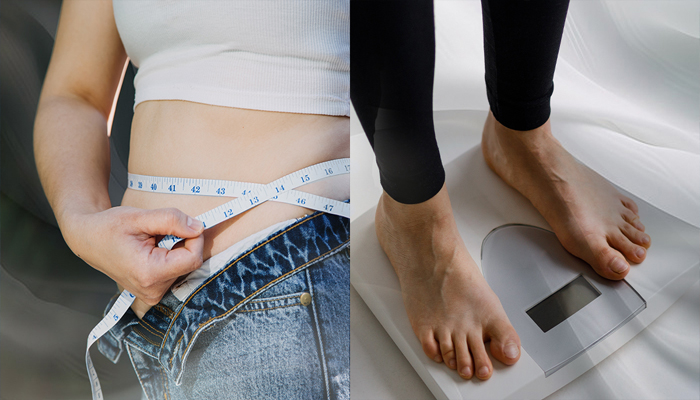
“The scale measures weight loss, but tape measurements show fat loss,” she emphasizes. Tracking waist, midsection, and chest sizes gives a clearer picture of progress that the scale cannot capture.
How to Focus on Fat Loss
Healthy fat loss feels empowering, unlike extreme dieting that can cause fatigue, hair loss, and reduced strength. Sustainable fat loss combines:
- Modest calorie deficit
- Resistance training
- Adequate protein intake
This approach preserves muscle while reducing fat. The scale is a tool, not the goal. True fitness is about building a stronger, healthier, and more resilient body.
Comments are closed.