
How GLP-1 Weight-Loss Drugs Are Reshaping India’s Diet, Consumer Choices and Health Trends

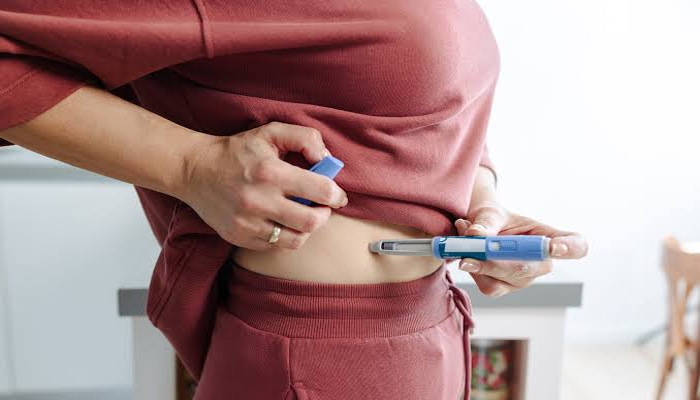
GLP-1 Revolution: How Weight-Loss Drugs Are Reshaping India’s Food and Health Habits
The rise of medicines such as Mounjaro and Ozempic is changing India’s conversation around weight loss. As GLP-1-based treatments become increasingly visible beyond specialist clinics, their influence is extending into kitchens, grocery aisles, restaurants and fitness routines.
For users, the most noticeable change is often not the number on the weighing scale, but a dramatic reduction in hunger and cravings. That shift is creating a new question: when appetite falls sharply, are people simply eating less, or are they learning to eat better?
When favourite foods lose their appeal
For 67-year-old businessman Rakesh Goyal, the change was unexpected. After beginning Mounjaro, foods he had enjoyed for years—including chhole-bhature, poori-bhaji and dal baati—gradually stopped appealing to him.
His weight fell from around 83 kg to 68 kg, while his diabetes also came under better control. But the rapid reduction in food intake brought another concern: weakness and difficulty consuming enough protein.
As a vegetarian, Goyal found it particularly challenging to meet his protein requirements after his appetite diminished.
His experience captures one of the central issues surrounding GLP-1 treatment. The medicines can make it easier to eat less, but eating less does not automatically mean getting all the nutrients the body requires.
What GLP-1 medicines actually do
GLP-1 receptor agonists and related drugs act on biological pathways involved in appetite, satiety, insulin regulation and blood-sugar control. Medicines based on compounds such as semaglutide and tirzepatide can increase feelings of fullness and reduce hunger.
For people living with obesity or metabolic disease, that change can be significant, particularly when conventional attempts at controlling food intake have repeatedly failed.
However, these medicines do not automatically build muscle, improve fitness or create sustainable eating habits.
When appetite falls considerably, nutrition can become more complicated. A person may be eating fewer calories but still consume too little protein, fibre or essential micronutrients.
The smaller plate needs more nutrition
A traditional Indian meal can contain several components—roti or rice, dal, vegetables, fried foods and dessert. Someone taking a GLP-1 medicine may suddenly find that a full-sized meal is difficult to finish.
That makes food quality increasingly important.
Dr Neha Shah, Obesity Specialist & Bariatric Surgeon, and Govind Lohia, Metabolic Health Coach and co-founders of The Good Weight, say patients can respond very differently to treatment.
Some begin medication alongside structured nutrition advice, eating smaller meals while deliberately prioritising protein. Others start treatment without consistent dietary guidance and may continue relying heavily on refined carbohydrates or frequent snacking.
Some patients may also lose lean mass along with body fat, particularly when food intake falls rapidly.
According to Dr Shah, people approaching the end of treatment face another challenge: relearning hunger and fullness cues and maintaining healthier habits after the medication is reduced.
The broader lesson is that a drug can alter appetite, but it does not teach someone how to construct a balanced diet.
What should a GLP-1-friendly plate look like?
When overall food intake decreases, meals need to provide more nutritional value in smaller portions.
A balanced approach can include:
- Protein: Eggs, paneer, dal, tofu, chicken, fish or Greek yoghurt
- Fibre: Vegetables, fruits, legumes and whole grains
- Healthy fats: Nuts, seeds and appropriate amounts of cooking oils
- Carbohydrates: Rice, roti, millets and other grains according to individual requirements
- Fluids: Particularly important when nausea, vomiting or reduced food intake is present
The objective is not to eliminate carbohydrates or label particular foods as unhealthy. Instead, the focus is on ensuring that a smaller amount of food still provides adequate protein, fibre and micronutrients.
When food cravings become quieter
For some users, the psychological change can be as important as the physical one.
Rashmi Singh, a 51-year-old schoolteacher with diabetes, said she previously spent considerable mental energy thinking about what she would eat next. After treatment, she noticed a significant reduction in cravings and said she felt full more consistently.
Shyamla Kashyap, 38, described her earlier relationship with food as a cycle of cravings and guilt. After starting Mounjaro, she said the constant desire to eat seemed to quieten.
This reduction in what some users describe as “food noise” is becoming an important part of the GLP-1 conversation. The medicines may influence not only portion sizes but also the mental space occupied by food.
Dr Ambrish Mithal, Group Chairman, Endocrinology & Diabetology, Max Hospital, Saket, stresses that the medical significance of these drugs should not be overshadowed by their popularity.
He describes GLP-1 medicines as an important development in the treatment of obesity, diabetes and other chronic metabolic conditions, noting that obesity is a disease rather than simply a cosmetic concern or a matter of willpower.
- Taste, cravings and changing food preferences
- Some users report another unusual experience: food becomes less exciting.
Pranay Gupta, 44, a sales executive who began Mounjaro at around 119 kg, said his perception of taste changed during treatment, with sweet, salty and sour flavours initially becoming less distinct.
His appetite subsequently became easier to manage. He lost around 25 kg, while his diabetes and sleep apnoea also improved, and he no longer required insulin.
Such experiences highlight the importance of maintaining adequate nutrition. If food becomes less appealing, skipping meals can become tempting. That can create a problem when total nutritional intake is already declining.
- From the dining table to the shopping basket
- The GLP-1 effect is also beginning to influence consumer behaviour.
Dr Shah and Lohia have observed that some patients buy less food because they are consuming smaller quantities. In some households, that can translate into lower grocery spending.
But the composition of the shopping basket can change at the same time.
Consumers may spend more on:
- Protein powders and other supplements
- Paneer
- Greek yoghurt
- Eggs
- Lean meat and fish
- Higher-fibre foods
- Different cooking oils
Eating outside the home can change too. Someone who previously ordered several dishes may now choose a smaller serving, share food or skip dessert.
The emerging pattern may therefore be less about simply eating less and more about shifting spending from quantity towards nutritional quality.
However, the overall impact on India’s food industry remains difficult to establish because the country’s GLP-1 user base is still developing.
The rise of the GLP-1 lifestyle ecosystem
Around the medication, an entire service ecosystem is beginning to emerge.
A typical consumer journey can involve a consultation, prescription, injection, nutrition plan, protein supplements, strength training, fitness tracking and regular follow-ups.
That creates commercial opportunities—but also raises concerns about how weight-loss treatment is marketed.
Dr Gagandeep Singh, MBBS, Founder of Redial Clinic, argues that one of the biggest changes could be in how weight loss itself is being packaged and sold.
His concern is that consumers could increasingly view GLP-1 treatment as a subscription-style lifestyle product focused primarily on reducing the number displayed on the weighing scale.
But losing weight does not necessarily mean becoming stronger or metabolically healthier.
A person can lose significant body weight while losing muscle, remaining physically inactive, sleeping poorly or maintaining an unbalanced diet.
Why medical supervision matters
Dr Mithal says the problem is not the existence of GLP-1 medicines but how they are prescribed and used.
Before treatment, doctors may need to consider a patient’s metabolic health, cardiovascular risk, diabetes status, existing medicines, gallbladder history and other relevant medical factors.
GLP-1 medicines can also produce gastrointestinal side effects, including nausea, vomiting, diarrhoea, constipation and abdominal discomfort. More serious complications such as pancreatitis are uncommon but require medical attention.
The key distinction is that these are powerful prescription medicines, not ordinary wellness products.
India’s expanding GLP-1 market
The commercial opportunity surrounding GLP-1 medicines is growing rapidly in India.
Mounjaro has emerged as a major product in the category, while lower-cost alternatives are expanding access. The expiry of semaglutide’s patent in India in March 2026 has further opened the market to generic versions.
As the potential user population expands, regulators have also increased scrutiny of how these medicines are sold and promoted.
In March 2026, the government stepped up surveillance of GLP-1 medicines available through retail pharmacies, online platforms, wholesalers and wellness or slimming clinics amid concerns over on-demand access, misleading promotion and use without appropriate medical supervision.
The regulatory challenge is significant because greater availability can blur the distinction between legitimate medical treatment and cosmetic weight-loss use.
The rise of ‘pre-wedding’ weight loss
One of the clearest examples of that shift is the emergence of rapid weight-loss treatments around weddings.
“Pre-wedding weight loss” has become an increasingly visible category, with some people seeking dramatic physical changes within a short period.
Reports of GLP-1 injections being incorporated into beauty or bridal packages have added to concerns about access without adequate medical assessment.
Doctors caution that a GLP-1 medicine should not be treated like a facial, body-contouring procedure or short-term beauty treatment.
Rapid weight loss without appropriate nutrition and exercise can result in fatigue and loss of lean mass—the opposite of the healthy appearance many consumers are seeking.
Understanding the safety questions
The growing popularity of GLP-1 medicines has also brought greater attention to potential risks.
Eye-related concerns
Semaglutide has been associated with a rare eye condition called non-arteritic anterior ischaemic optic neuropathy, or NAION.
European regulators concluded in 2025 that NAION should be recognised as a very rare adverse effect of semaglutide, with an estimated frequency of up to around one case per 10,000 people.
The important message is not to create unnecessary alarm, but to recognise that sudden or rapidly worsening vision requires prompt medical assessment.
Thyroid warnings
Dr (Col) Anil Dhall, Director & HOD–Cardiology, Shalby International Hospital, Gurgaon, notes that the thyroid warning associated with semaglutide-class medicines originates from findings involving thyroid C-cell tumours in rodents.
This does not establish that these medicines cause medullary thyroid cancer in humans. However, people with a personal or family history of medullary thyroid carcinoma or MEN2 are generally advised against using semaglutide.
That is another reason proper medical screening matters before treatment begins.
Gastrointestinal and other complications
Nausea, vomiting, diarrhoea and constipation are among the more common gastrointestinal effects.
Pancreatitis and gallbladder-related problems can occur less frequently, while severe vomiting and inadequate fluid intake can contribute to dehydration.
Individual risk can depend on dosage, medical history, other medications and the symptoms a patient develops during treatment.
What about depression and suicidal thoughts?
The evidence on suicidal thoughts has also evolved.
In January 2026, the US FDA requested the removal of warnings concerning suicidal behaviour and ideation from the labels of liraglutide, semaglutide and tirzepatide after reviewing available evidence.
The review did not identify an increased risk.
This is an important distinction because older warnings continue to circulate widely on social media even as regulatory assessments have changed.
The muscle-loss question
One of the most important concerns surrounding rapid weight loss is what happens to lean mass.
When calorie and protein intake decline substantially, weight loss may include muscle as well as fat.
That makes protein intake and resistance exercise particularly important for people using GLP-1 medicines.
The goal of treatment should not simply be to become lighter. Preserving functional muscle, improving fitness and reducing excess body fat are also important aspects of long-term health.
For older adults, maintaining muscle can be particularly important for mobility, strength and independence.
What happens after the injections stop?
Another major issue is long-term maintenance.
For many people, obesity is a chronic condition. When medication is reduced or discontinued, appetite can return and some weight regain may occur.
That does not necessarily mean the treatment has failed. It may reflect the underlying biological tendency toward weight gain that the medicine had been controlling.
The period during treatment can therefore be used to establish sustainable habits—better nutrition, strength training, regular physical activity and improved sleep.
If the medication becomes the only strategy, stopping it can leave patients without the support they had been relying on.
India’s changing GLP-1 user
The profile of the GLP-1 user is also expanding beyond people with uncontrolled diabetes.
Patients now include people dealing with obesity, metabolic disease, prediabetes and other clinically relevant conditions, alongside consumers seeking faster aesthetic changes.
Manmeet Bindra, 40, a teacher at DPS Noida, who has diabetes, PCOS, hypothyroidism and fatty liver, described a significant reduction in cravings after treatment.
Her weight fell from above 90 kg to around 74 kg. She also reduced her food intake, stopped consuming alcohol and incorporated strength training into her routine.
Her experience points to a broader possibility: medication can change the conditions around which healthier behaviour becomes easier, but the behavioural changes still have to happen.
Medicine or lifestyle product?
There is nothing inherently wrong with using medication to treat obesity. Nor does effective treatment require people to rely solely on willpower or endure persistent hunger.
Obesity is influenced by multiple factors, including biology, genetics, environment, behaviour, sleep, stress and metabolic health. For some patients, medication can be an important component of treatment.
The concern begins when the medicine is marketed as though it can replace the rest of the treatment plan.
As Dr Gagandeep Singh puts it, nutrition, strength and aerobic exercise, sleep, stress management and medical follow-up need to remain central to metabolic health. Medication should support those changes rather than substitute for them.
The real GLP-1 paradox
GLP-1 medicines can make healthier eating easier by reducing hunger and improving portion control. But the same reduction in appetite can create nutritional problems if patients simply stop eating enough.
Someone may lose 15 kg but also lose significant muscle. Another person may stop treatment without having developed a sustainable maintenance strategy. Someone using the drug solely for a wedding may achieve a short-term aesthetic change without addressing the underlying health issues.
The number on the scale therefore tells only part of the story.
The more meaningful question is what happens to the person’s overall health during and after treatment.
What India needs to get right
The potential benefits of GLP-1 medicines are substantial. They could help many people manage obesity and metabolic disease and potentially reduce some of the health complications associated with excess weight.
But wider access needs to be accompanied by responsible medical use.
That means appropriate assessment before treatment, qualified prescribing, monitoring during dose escalation, nutritional guidance, adequate protein and micronutrient intake, resistance and aerobic exercise, side-effect monitoring and a long-term maintenance strategy.
It also means avoiding medicines obtained through unauthorised online sellers, salons or informal channels.
Most importantly, the definition of success needs to extend beyond weight loss.
The more useful question is not simply how many kilograms did the patient lose? It is how much healthier did the patient become?
India’s GLP-1 story could ultimately be about far more than injections. It could change how people think about appetite, nutrition, obesity and metabolic health.
But for that to happen, the medicine needs to remain one part of a broader treatment strategy—not become the strategy itself.
Comments are closed.