
India Sees Early Spike in Dengue Infections Before Monsoon Onset

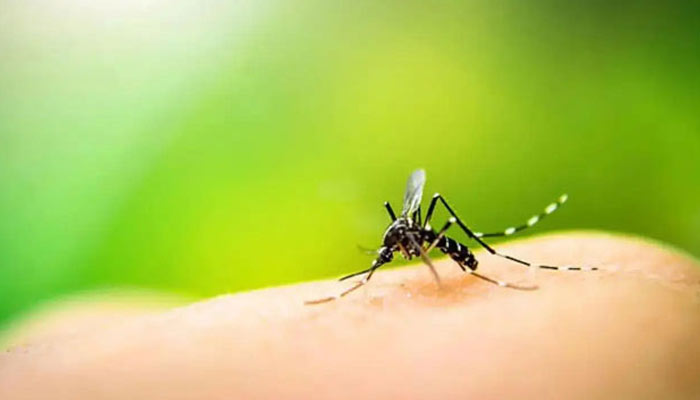
Even before monsoon rains have fully arrived across the country, dengue infections are already increasing in several Indian states, prompting health experts to warn that the mosquito-borne disease is steadily transforming into a year-round threat.
Traditionally linked to the rainy season, dengue was once considered a largely seasonal illness driven by waterlogging and stagnant rainwater. But doctors now say changing climate patterns, rising temperatures, unplanned urban growth and worsening sanitation conditions have significantly altered how the disease spreads.
According to health experts, warmer weather and irregular rainfall are allowing mosquitoes to breed for much longer periods than before, extending the duration of dengue transmission well beyond the monsoon months. Research data also reflects this shift. Studies indicate that the number of months suitable for dengue transmission in India has steadily expanded over the years, reaching nearly 5.6 months annually between 2012 and 2021.
Doctors say this longer transmission window is making outbreaks more unpredictable and far more difficult to control. Another major concern remains the absence of a specific antiviral treatment for dengue. Most patients are treated through supportive care such as hydration, fever management and close observation for complications.
Dr Sanjay Sarin said dengue should no longer be viewed as only a seasonal problem. “Dengue has evolved into a year-round public health challenge,” he said, adding that India’s actual burden of infections is likely much larger than officially reported figures.
He also stressed that delayed diagnosis continues to be one of the most dangerous gaps in dengue management. “Vector control and vaccines remain important, but once a person is infected, there is still no medicine available to directly fight the virus. That makes early diagnosis extremely important,” Dr Sarin explained.
Doctors warn that many people continue to dismiss dengue symptoms as a common viral fever, delaying medical attention during the most critical stage of the infection. Symptoms such as high fever, severe body aches, headaches, nausea, fatigue, skin rashes and pain behind the eyes should not be ignored, particularly during periods of increased mosquito activity.
Dr Tushar Tayal said timely testing and proper monitoring can significantly reduce the chances of severe complications. “With dengue cases rising, awareness and preventive action are becoming increasingly important. Early diagnosis helps doctors monitor patients closely and begin treatment before the disease worsens,” he said.
Doctors also highlighted that rapid dengue blood tests and platelet monitoring are improving early detection and patient management. Experts recommend taking the NS1 antigen test within the first three days of symptoms, as it helps confirm dengue infection during the early phase and allows faster medical intervention.
At the same time, prevention remains critical. Health experts advise people to remove stagnant water from around homes, use mosquito repellents, wear protective clothing and avoid mosquito exposure during peak biting hours in the early morning and evening.
As dengue cases continue to rise even before the monsoon season begins fully, doctors say public awareness, early testing and preventive measures will be crucial in controlling the spread of the disease in the months ahead.
Comments are closed.