
India’s economy set to grow 6.9% in 2026-27 amid geopolitical uncertainty: Reserve Bank of India

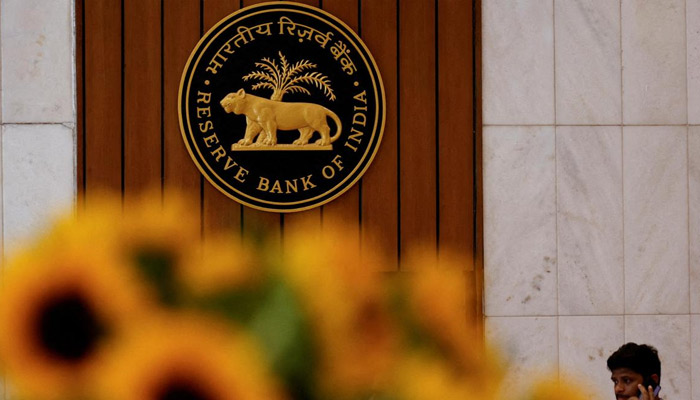
India’s real GDP growth is projected to remain steady at 6.9 per cent in FY2026-27 despite geopolitical uncertainties and the ongoing conflict in West Asia, according to the Annual Report 2025-26 released by the Reserve Bank of India.
The RBI said the Indian economy continues to show resilience, supported by strong domestic consumption and sustained investment activity, even as global conditions remain uncertain. The report noted that the adverse impact of the West Asia conflict is expected to remain contained for now, helping India maintain its growth momentum.
At the same time, the central bank cautioned that risks to growth are still tilted to the downside due to geopolitical tensions, volatile commodity prices, and weakening global demand conditions.
The RBI also highlighted improvements in the government’s fiscal position. According to the report, the Centre met its fiscal consolidation target in FY26, with the fiscal deficit narrowing to 4.4 per cent of GDP. The improvement was aided by stronger direct tax collections and higher non-tax revenues.
On the inflation front, the central bank said headline inflation moderated sharply to 2.1 per cent in FY26 compared to 4.6 per cent in the previous year. Lower food inflation and favourable statistical base effects were cited as the primary reasons behind the decline.
With inflation remaining comfortably within the target range, the Monetary Policy Committee reduced the repo rate by 100 basis points during the financial year to support growth. The RBI also undertook liquidity-enhancing measures, including open market operations and cuts in the cash reserve ratio (CRR), to ensure smoother transmission of monetary policy.
Despite the optimistic outlook, the report warned that a prolonged conflict in West Asia could create fresh economic pressures through higher crude oil prices, rising transportation and logistics costs, and renewed inflationary risks.
However, the RBI maintained that India’s relatively lower reliance on exports and the strength of domestic demand would help cushion the economy against external disruptions and support overall stability.
Comments are closed.