
Inside The Meenakshi Natarajan Case: The Rulebook Behind The Nomination Dispute

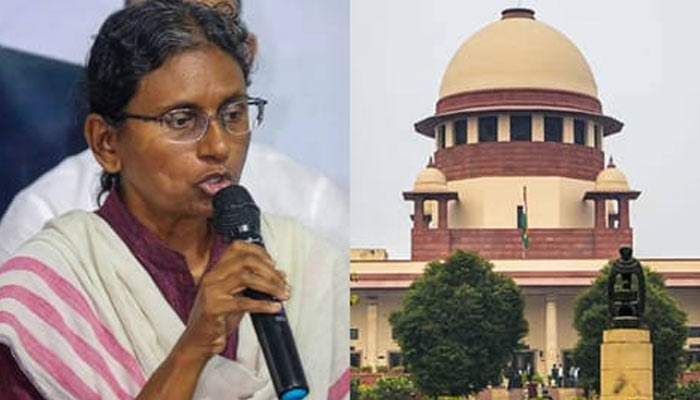
Explained: What Legal Options Remain After Meenakshi Natarajan’s Nomination Rejection?
The rejection of Congress leader Meenakshi Natarajan’s Rajya Sabha nomination from Madhya Pradesh has triggered a larger debate over election law, particularly the powers of a Returning Officer during scrutiny of nomination papers and the circumstances under which a candidate’s nomination can be rejected.
While the Supreme Court declined to intervene before the completion of the election process, the controversy is far from over. The Congress can still challenge the outcome through an election petition, a legal remedy specifically provided under election law.
What Is An Election Petition?
An election petition is the statutory mechanism used to challenge the validity of an election after the electoral process has concluded.
Under Section 80 of the Representation of the People Act (RP Act), 1951, no election can be called into question except through an election petition. Section 80A empowers the High Court to hear such challenges, while Section 81 requires that the petition be filed within 45 days of the election of the returned candidate.
Importantly, Section 100(1)(c) of the Act provides that a court may declare an election void if it finds that a nomination paper was improperly rejected.
This provision assumes significance in Natarajan’s case, as any future challenge is likely to focus on whether the Returning Officer was justified in rejecting her nomination.
How Did The Controversy Begin?
The dispute began after objections were raised before the Returning Officer alleging that Natarajan had failed to disclose details of proceedings pending before a Hyderabad court in the affidavit submitted with her nomination papers.
After examining the objection and available records, the Returning Officer concluded that the matter warranted disclosure and rejected the nomination. The Congress has disputed that finding, arguing that the Hyderabad proceedings did not attract the disclosure requirements prescribed under election law.
The Core Legal Question
At the heart of the dispute is Section 33A of the RP Act, which governs disclosure of criminal antecedents by election candidates.
The provision requires candidates to disclose criminal cases in specific circumstances, including cases where charges have been framed for offences punishable with imprisonment of two years or more, or where the candidate has been convicted and sentenced to imprisonment of at least one year.
The Congress maintains that the Hyderabad proceedings did not fall within these categories and therefore did not require disclosure in Form 26.
Those supporting the rejection argue that candidates are expected to provide complete and transparent information and that any omission concerning pending legal proceedings is a serious matter during nomination scrutiny.
What Do Election Commission Guidelines Say?
The controversy has also drawn attention to the Election Commission’s handbook for Returning Officers, which lays down procedures for scrutiny of nomination papers. The guidelines make it clear that substantial defects in nomination documents can result in rejection. At the same time, they caution officials against rejecting nominations for defects that are merely technical, clerical or not of a substantial nature.
The handbook also emphasises that nomination papers should generally be presumed valid unless there are clear grounds to conclude otherwise.
As a result, a key question likely to arise in any future legal challenge is whether the alleged omission constituted a substantial defect that justified rejection or a curable defect that should not have prevented the candidate from contesting.
Why Did The Supreme Court Decline Relief?
When the matter reached the Supreme Court, the court declined to interfere, reiterating a well-established principle of election law that courts generally avoid intervening once the election process is underway. Instead, the court indicated that the appropriate course available under law is to challenge the election through an election petition after completion of the electoral process.
The ruling did not determine whether the nomination was rightly or wrongly rejected. Rather, it focused on the stage at which such disputes should be adjudicated.
What Happens Next?
The BJP’s Tarun Chugh, Rajneesh Aggarwal and Mahesh Kewat have already been elected unopposed to the three Rajya Sabha seats from Madhya Pradesh following Natarajan’s disqualification from the contest. However, the legal dispute may now move to the Madhya Pradesh High Court if the Congress chooses to file an election petition.
The court would then examine whether the Returning Officer correctly applied the Representation of the People Act and Election Commission guidelines, and whether the rejection of Natarajan’s nomination materially affected the election outcome.
The answers to those questions could determine whether the controversy remains a political flashpoint or evolves into a significant precedent in election law.
Comments are closed.