

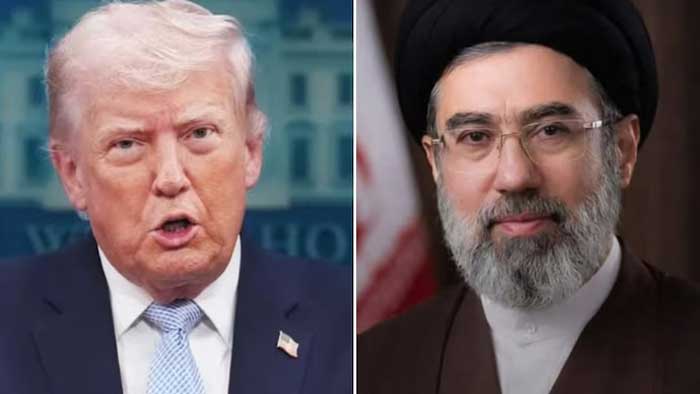
Donald Trump is unlikely to accept Iran’s latest phased proposal to resolve the West Asia conflict, with US officials saying the plan falls short of Washington’s core demand to address Tehran’s nuclear programme upfront.
According to officials cited by Reuters, the proposal seeks to delay talks on Iran’s nuclear activities until after a ceasefire and the resolution of maritime tensions, particularly in the Strait of Hormuz. The US, however, views the nuclear issue as central to any lasting agreement and is unwilling to separate it from broader negotiations.
Iran’s three-stage plan calls for first ending the US-Israel war and securing guarantees against renewed hostilities, then lifting the naval blockade and reopening key shipping routes, and only later addressing contentious issues such as uranium enrichment and nuclear capabilities.
A US official familiar with internal discussions said Trump rejected this sequencing, insisting nuclear concerns must be tackled at the outset. US Secretary of State Marco Rubio reinforced that position, saying any deal must ensure Iran cannot develop nuclear weapons.
The deadlock has dimmed prospects for diplomacy. Planned talks in Islamabad were called off after Trump cancelled a visit by envoy Steve Witkoff and adviser Jared Kushner. Meanwhile, Iranian Foreign Minister Abbas Araghchi has been shuttling between regional capitals, including meetings in Russia with President Vladimir Putin.
Tensions also spilled into the review conference of the Nuclear Non-Proliferation Treaty, where the US and its allies opposed Iran’s appointment as one of the vice-presidents, a move backed by the Non-Aligned Movement. Russia defended Tehran, while Iran’s envoy Reza Najafi dismissed the criticism as politically motivated.
At the same time, countries have urged reopening of the vital shipping corridor. Iran has condemned US seizures of its oil shipments in the Hormuz strait as “piracy,” while signalling it could ease restrictions if Washington lifts the blockade and halts military action.
The standoff continues to rattle global markets. Oil prices have surged, with flows through the strait — which handles roughly a fifth of global oil supply — sharply reduced. Ship-tracking data shows only a handful of vessels transiting daily, compared with over 100 before the conflict, as the crisis disrupts one of the world’s most critical energy routes.
Comments are closed.