
Iran To Charge Strait Of Hormuz Transit Fees, Offers ‘Special’ Terms To Allies

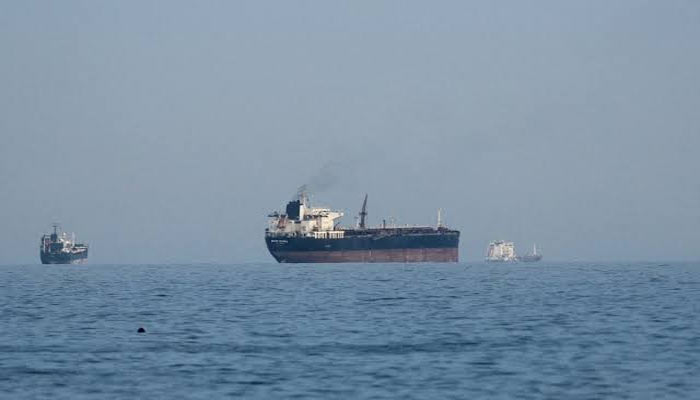
Iran will introduce service fees for commercial vessels using the Strait of Hormuz once a temporary wartime arrangement expires.
With countries that backed Tehran during its recent conflict set to receive preferential treatment, Iran’s ambassador to China said on Saturday. Addressing the World Peace Forum in Beijing, Ambassador Abdolreza Rahmani Fazli said Iran was coordinating with Oman to implement a new framework for managing traffic through the strategically important waterway.
The announcement comes as uncertainty surrounds the future of shipping through the Strait of Hormuz after the expiry of a 60-day agreement reached between Iran and the United States following the recent conflict. Under that arrangement, commercial vessels have been allowed to transit the strait without paying any charges.
Washington has opposed any move by Tehran to levy fees on ships using the route.
‘Service Fees, Not Tolls’
Fazli said the proposed charges should be viewed as payment for maritime services rather than a toll for passage.
“As a country where the Hormuz is part of its territorial waters, we will definitely charge service fees,” he said.
According to the ambassador, the fees would fund services including safe navigation, monitoring vessel movement and mitigating the environmental impact of heavy maritime traffic.
He also said Iran intended to reward countries that supported it during the conflict.
“We will definitely consider special treatment for the countries that were friendly to us and especially stood by us during the hard times,” Fazli said.
Global Energy Route
The Strait of Hormuz is one of the world’s busiest maritime chokepoints, carrying nearly 20 per cent of global crude oil and liquefied natural gas exports. Iran largely shut the waterway during the recent Middle East conflict, disrupting global shipping and pushing energy prices higher before reopening it under the temporary understanding reached with the United States.
Negotiations between Tehran and Washington on a permanent arrangement remain ongoing, with details of the proposed fee structure and the countries eligible for preferential treatment yet to be announced.
Comments are closed.