

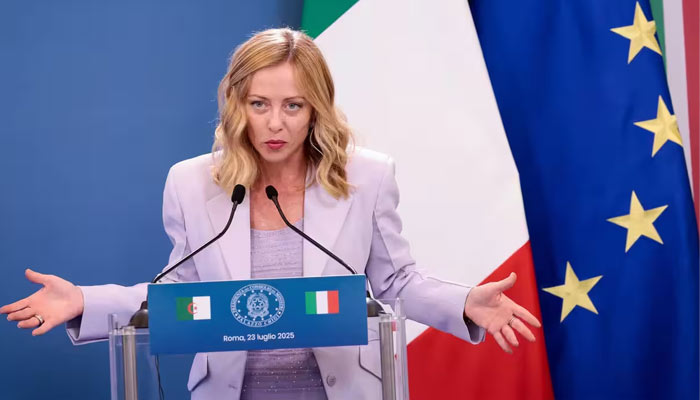
Italy Announces Temporary Diesel Tax Cut as Meloni Government Moves to Ease Fuel Prices
The Italian government has approved a temporary cut in diesel prices, reducing the cost by 17 euro cents per litre until August 6, as it looks to soften the impact of rising energy costs on consumers and businesses amid heightened geopolitical uncertainty.
The decision was taken during a Cabinet meeting chaired by Prime Minister Giorgia Meloni, with the government citing the recent surge in fuel prices driven by international tensions.
Government Cites Rising Energy Costs
In a post on X, Meloni said renewed geopolitical tensions had pushed up fuel prices, making transportation more expensive and increasing the cost of essential goods.
“We know it doesn’t solve the problem. But it is a timely and responsible response,” she said, adding that the government would continue monitoring the situation before deciding whether further intervention is needed once the current measure expires.
Relief Package Worth €125 Million
Economy Minister Giancarlo Giorgetti said the diesel tax cut, along with additional support for truck operators and the agriculture sector, would cost the government around €125 million. He said the Cabinet would review market conditions again on August 4 and could consider extending support or introducing fresh measures, including assistance to lower electricity and natural gas bills if energy prices remain high.
Italy Faces Mounting Energy Pressure
Giorgetti noted that Italy, along with Germany, remains among the European economies most exposed to rising energy costs because of its dependence on fossil fuels and energy-intensive industries. The latest spike in fuel prices, linked to tensions in West Asia, has increased pressure on the Meloni government to protect household budgets and business costs while maintaining fiscal discipline.
The temporary diesel tax cut is aimed at providing immediate relief as authorities assess whether further measures will be required if volatility in global energy markets continues.
Comments are closed.