
Mehul Choksi Extradition Hits Fresh Roadblock As Belgium Reviews Case

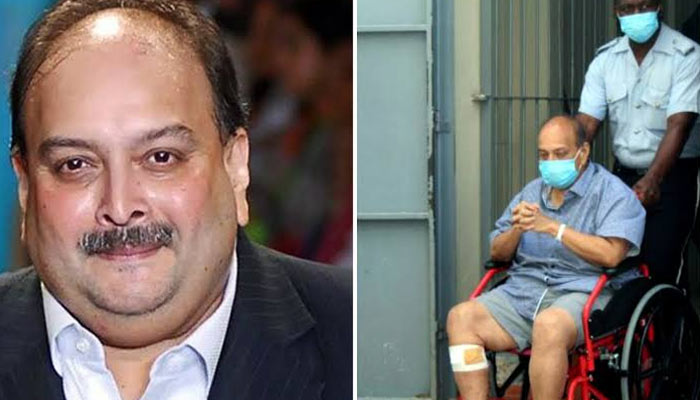
Mehul Choksi Extradition To India Faces Delay As Belgium Keeps Case Under Review
Fugitive diamantaire Mehul Choksi’s extradition to India has hit a fresh delay, with Belgium yet to take a final decision four months after an Antwerp court issued an advisory opinion supporting his extradition. Belgian authorities have said the matter remains under examination, making it clear that the court’s April ruling did not by itself authorise Choksi’s return to India.
“The decision issued by the Indictment Chamber of the Antwerp Court of Appeal in April was an advisory opinion and did not constitute a final decision on the extradition request,” Sharon Beavis, spokesperson for Belgium’s justice minister, said.
She added that the case was “still under examination” and that authorities could not provide further details at this stage.
INDIA AWAITS BELGIAN GOVERNMENT DECISION
Indian officials have questioned the delay, arguing that the evidence submitted by India was sufficient for the Antwerp court to establish a legal basis for extradition.
“In any extradition case, the final decision is ultimately of the government of that country. We are waiting for the Belgian government to approve his extradition,” an Indian official said.
The official maintained that India had presented a strong case against Choksi and that the judicial proceedings in Antwerp had already addressed the legal basis for his extradition.
Related Posts
ANTWERP COURT REJECTED POLITICAL TARGETING CLAIM
On April 3, the Antwerp Court of Appeal issued its opinion on India’s request to extradite Choksi over allegations of fraud, criminal conspiracy and forgery allegedly committed in India between December 31, 2016, and January 1, 2019.
The court also rejected Choksi’s claim that he was being targeted for political reasons.
However, the ruling was advisory, leaving the final decision with the Belgian government.
CHOKSI REMAINS IN ANTWERP PRISON
Choksi, 67, remains in custody in Antwerp after being arrested on April 11 last year following India’s extradition request. Indian agencies have accused him of involvement in several bank fraud cases involving nearly ₹13,000 crore.
The extradition request cited provisions of the Indian Penal Code relating to criminal conspiracy, destruction of evidence, criminal breach of trust, cheating and falsification of accounts. It also included provisions of the Prevention of Corruption Act relating to bribery.
India relied on the dual-criminality principle under the extradition framework, arguing that the alleged offences are also punishable under Belgian law. The request further cited the United Nations Convention against Transnational Organized Crime and the United Nations Convention against Corruption.
For now, Choksi’s extradition remains dependent on the Belgian government’s final decision, leaving his return to India uncertain despite the Antwerp court’s advisory opinion.
Comments are closed.