
Moderna-Merck Cancer Vaccine Cuts Melanoma Recurrence by 49% in Landmark Trial

Moderna Shares Surge Nearly 177% After Personalised Cancer Vaccine Succeeds in Phase 3 Trial
Moderna shares surged nearly 177% on Wednesday after the US biotech company and Merck reported positive results from a large late-stage trial of their personalised cancer vaccine.
The experimental treatment, developed to prevent melanoma from returning or spreading after surgery, was tested in combination with Merck’s Keytruda immunotherapy. The companies said the vaccine met the trial’s key efficacy goal, marking a major milestone for Moderna’s mRNA technology beyond Covid-19 vaccines.
Moderna’s stock closed at $174.38, gaining 176.97% in its biggest-ever single-day rise.
The personalised vaccine, called intismeran autogene, is designed for individual patients. Researchers analyse mutations in a patient’s tumour and use the findings to develop an mRNA vaccine that trains the immune system to identify and attack cancer cells carrying those mutations.
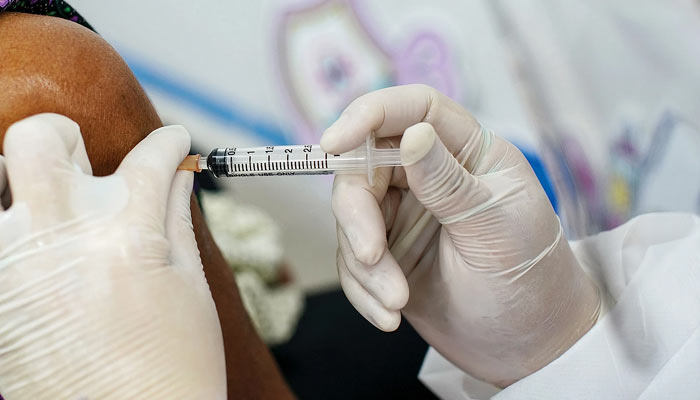
The Phase 3 trial included more than 1,000 melanoma patients considered at high risk of the disease returning after their tumours were surgically removed. The vaccine was administered alongside Keytruda and was compared with Keytruda alone.
The approach differs from conventional chemotherapy, which can affect both cancerous and healthy cells. Personalised cancer vaccines are designed to target mutations specific to an individual’s tumour.
Dr Ryan Sullivan, director of the Center for Melanoma at Mass General Brigham Cancer Institute, described the results as significant for the wider field, saying they could encourage greater investment in personalised cancer treatments.
Full trial data have not yet been released. Researchers will continue monitoring participants to determine whether the treatment can also improve overall survival.
Earlier five-year results from a smaller study showed that the vaccine-Keytruda combination reduced the risk of melanoma recurrence by around half and lowered the risk of the cancer spreading to distant organs by 59% compared with Keytruda alone.
Moderna and Merck are also studying personalised cancer vaccines in lung, bladder and kidney cancers, with earlier-stage research underway for pancreatic and stomach cancers.
The treatment still needs regulatory approval before it can be made available to patients. However, the positive late-stage results could mark a major step towards expanding mRNA technology from infectious disease vaccines into personalised cancer treatment.
Comments are closed.