
More Frequent Dust and Sandstorms Point to Growing Climate Change Risks

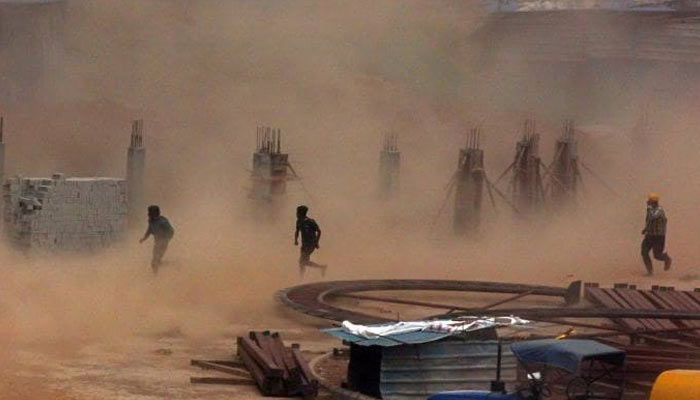
Dust and sandstorms are natural features of weather in many arid and semi-arid regions.
However, changes in heat, rainfall, drought and land conditions are raising questions about whether climate change is increasing the risk of more severe and widespread dust events. From the Middle East and North Africa to Asia and the Americas, intense dust storms can bring visibility to dangerous levels, disrupt transport, affect infrastructure and create hazardous air-quality conditions.
Why a Warmer Climate Matters
Rising temperatures can accelerate evaporation and dry out already vulnerable soils. Changes in rainfall can also contribute to longer dry periods in some regions. When soil moisture falls and vegetation becomes thinner, more loose soil is exposed. Strong winds can then lift large quantities of dust into the atmosphere.
Changing wind patterns may also influence how dust travels. Fine particles can remain airborne for long periods and be transported across national borders and vast distances.
A Serious Air-Quality Threat
Dust storms are more than a temporary visibility problem. Fine particles can penetrate deep into the respiratory system and worsen air pollution, creating particular risks for vulnerable people. Severe events can force flight cancellations, disrupt road and rail networks and affect agricultural and outdoor activities. Dust settling on crops, water sources and machinery can create additional environmental and economic damage.
Dust can even influence atmospheric conditions by reflecting or absorbing sunlight and interacting with clouds, potentially affecting regional weather and temperatures.
Land Degradation Adds to the Problem
Climate change is only one piece of the puzzle. Human activities can make landscapes more vulnerable to wind erosion. Deforestation, overgrazing, intensive farming, poor irrigation practices and unsustainable water use can reduce vegetation cover and weaken soil stability. Once land becomes degraded, it can provide more loose material for strong winds to carry.
Protecting vegetation, restoring degraded land and adopting better soil and water management can help limit these risks.
Not Every Storm Is Caused by Climate Change
Dust storms have always occurred, and individual events are shaped by local weather, geography, wind speed, soil conditions and vegetation. Scientists therefore caution against linking every dust storm directly to global warming. The concern is that a changing climate can modify the environmental conditions that make severe events possible.
Preparing for a Changing Weather Pattern
Better forecasting and early-warning systems can help communities prepare for dangerous dust events. Air-quality monitoring can provide timely health warnings, while land restoration and improved water management can reduce long-term vulnerability.
As temperatures rise and weather patterns shift, dust and sandstorms could become another important indicator of how climate change is altering environmental conditions and the hazards communities face.
Comments are closed.