

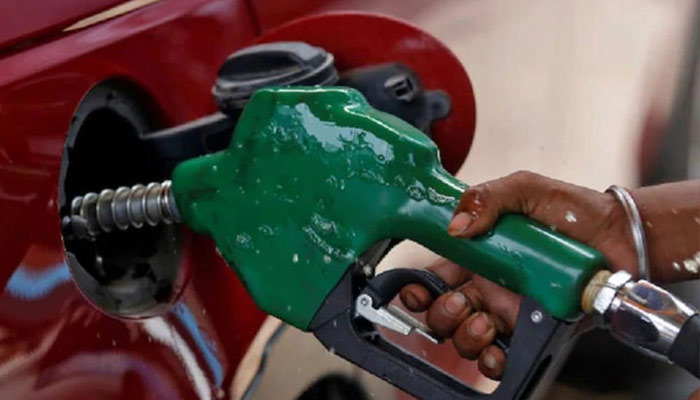
The Centre could soon face a difficult decision on petrol and diesel prices as mounting fiscal pressure and rising losses at state-run oil companies make the current fuel freeze increasingly difficult to sustain.
Despite global crude oil prices remaining above the $100-per-barrel mark for weeks, India has so far avoided passing the full burden onto consumers. However, reports indicate that oil marketing companies are now under severe financial stress after absorbing massive under-recoveries since the escalation of tensions in West Asia.
According to sources cited in media reports, petrol and diesel prices may be revised upward in the coming days as Indian Oil Corporation, Bharat Petroleum Corporation Ltd, and Hindustan Petroleum Corporation Ltd continue to incur heavy losses on fuel sales.
The government had initially chosen to shield consumers from rising international crude prices in the hope that geopolitical tensions would ease quickly. During the early phase of the conflict, authorities reportedly absorbed significant losses per litre on both petrol and diesel while continuing with lower excise duties introduced earlier to provide relief to consumers.
But with crude prices staying elevated for an extended period, the financial burden has grown substantially. Industry estimates suggest that losses for oil marketing companies have already climbed sharply and could rise further if retail prices remain unchanged.
Adding to the pressure are higher shipping and insurance costs linked to disruptions in global energy supply routes. Oil-importing companies are reportedly paying significantly more in maritime insurance premiums due to the uncertain geopolitical situation.
At the same time, the government has made it clear that there is currently no proposal to compensate state-owned fuel retailers for their losses. Officials from the Ministry of Petroleum and Natural Gas recently reiterated that retail fuel prices continue to be kept unchanged in the interest of consumers and inflation control.
While petrol and diesel prices have remained frozen, hikes have already been implemented in commercial LPG cylinders, industrial diesel, and aviation turbine fuel for international carriers. Domestic airlines, however, have largely been shielded from the full impact of rising jet fuel costs.
The challenge for the government lies in balancing inflation concerns with the growing financial strain on oil companies. Any increase in petrol and diesel prices would likely trigger a ripple effect across the economy by raising transportation and logistics costs, which could eventually push up prices of essential commodities.
India remains one of the few major economies yet to significantly raise retail fuel prices despite the global surge in crude oil. But with under-recoveries mounting and geopolitical uncertainty showing little sign of easing, pressure is steadily building for a revision in fuel rates.
Comments are closed.