

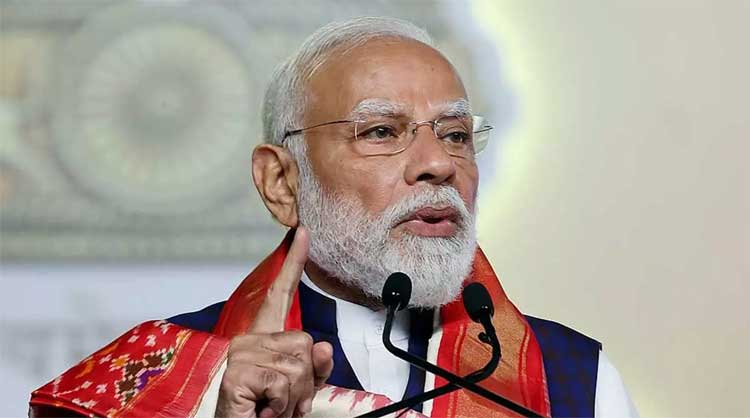
Amid soaring global oil prices triggered by conflict in the Middle East, Prime Minister Narendra Modi on Sunday called on citizens to adopt fuel-saving measures, revive work-from-home practices and cut non-essential spending to help conserve the country’s foreign exchange reserves.
Addressing an event in Secunderabad, Modi urged people to bring back habits adopted during the Covid-19 pandemic, including remote work, online meetings and video conferencing, to reduce fuel consumption.
“During the Corona period, we adopted work from home, online meetings and video conferences. Today, the need of the hour is to restart those practices in the national interest,” he said.
Fuel conservation a national priority
The Prime Minister’s appeal comes as crude oil prices have surged from around $70 per barrel to nearly $126 due to escalating tensions in West Asia and disruptions around the Strait of Hormuz, through which nearly 20 percent of the world’s oil supply passes.
Without directly signalling an immediate fuel price hike, Modi stressed that reducing petrol and diesel consumption was essential.
“It is the responsibility of all of us to save the foreign exchange spent on purchasing petrol and diesel by conserving fuel,” he said.
In a striking suggestion, he also appealed to citizens to avoid buying gold for weddings for one year to reduce import-driven pressure on India’s foreign exchange reserves.
Fuel price hike likely
The remarks come amid indications that petrol and diesel prices in India could soon see their first major revision in nearly four years.
Government and industry sources suggest prices may be increased before May 15 as state-run oil marketing companies — including Indian Oil Corporation, Bharat Petroleum and Hindustan Petroleum — face mounting losses due to elevated global crude prices.
The three firms are reportedly absorbing combined losses of nearly ₹30,000 crore per month.
If approved, petrol and diesel prices could rise by ₹4–5 per litre, while domestic LPG cylinder prices may increase by ₹40–50.
Call to reduce edible oil, fertiliser use
Expanding his message beyond fuel, Modi also urged households to reduce edible oil consumption and farmers to cut dependence on imported chemical fertilisers.
“If every household reduces edible oil use, it will improve both the health of the national treasury and the health of every family member,” he said.
He also pushed for greater adoption of natural farming practices, saying reduced fertiliser imports would help save foreign exchange while benefiting the environment.
India’s response to global energy turmoil
The global energy shock has forced several countries to impose emergency measures, with fuel rationing introduced in some neighbouring nations.
India, however, has so far avoided shortages by increasing LPG production, diversifying crude imports from countries including Russia and the US, and pushing domestic refineries to operate at full capacity.
The government had earlier cut excise duties to cushion consumers from rising international prices, though sustained pressure on global markets may soon test that strategy.
Comments are closed.