
Pregnant Women, Newborns Face Rising Risks From Extreme Heat: UN Climate Chief

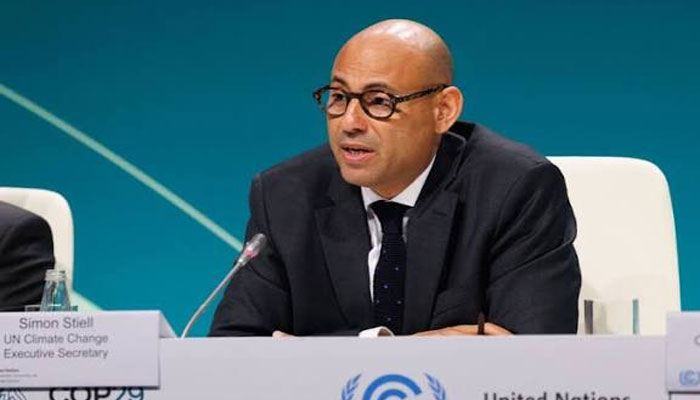
Extreme heat is increasingly putting pregnant women and newborns at risk, with healthcare professionals reporting a rise in heat-related complications, UN climate chief Simon Stiell is set to warn.
Addressing the pre-COP summit in Fiji on Monday, Stiell will cite a survey of 1,000 doctors and midwives across the UK, Australia, India, Brazil and Zimbabwe. More than two-thirds of those surveyed said they had witnessed pregnancy or newborn complications linked to extreme heat over the past five years.
“Rising temperatures mean rising danger in pregnancy,” Stiell is expected to say.
Heat Linked to Pregnancy Complications
Stiell will highlight growing evidence associating exposure to extreme heat during pregnancy with premature birth, stillbirth, low birth weight and complications affecting mothers.
He is expected to warn that the worsening climate crisis could make pregnancy another area where the effects of extreme weather deepen existing inequalities.
The findings suggest that the health consequences of rising temperatures are being felt not only during heatwaves but also in maternal and newborn care.
Doctors and Midwives Report Heat-Related Cases
The Wellcome-commissioned survey found that almost all participating healthcare professionals had cared for mothers or newborns affected by extreme heat.
Around one-third said they had encountered cases of low birth weight or restricted growth, difficulties with feeding, dehydration or other heat-related illnesses that they believed were associated with extreme temperatures.
The findings add to growing concerns about the impact of climate change on vulnerable groups, particularly in countries where access to cooling, healthcare and other protective measures may be limited.
‘Extreme Heat Is an Invisible Killer’
Julia Gillard, former Australian prime minister and chairwoman of the Wellcome foundation, said climate change was increasing risks for mothers and babies.
“Extreme heat is an invisible killer, but pregnant women must not be invisible,” Gillard said, calling on leaders to act on the available evidence and solutions.
Scientists have repeatedly warned that climate change is contributing to more frequent and intense extreme weather events, with heat records being broken across several parts of the world.
Dozens of Countries Record Hottest July
Data from the European Union’s Copernicus climate observatory showed that around 33 countries, stretching from western Europe to the Sahel and Central America, experienced their hottest July on record this year, according to an AFP analysis.
The trend has intensified concerns over the health consequences of prolonged and extreme heat, especially for pregnant women, newborns and other vulnerable populations.
Pacific Islands Highlight Climate Vulnerability
The pre-COP31 meetings in Fiji and the remote Pacific island nation of Tuvalu are being closely watched by Pacific leaders, who see the gatherings as an opportunity to highlight the effects of climate change on communities at the frontline of global warming.
The meetings precede COP31, the UN-backed climate summit scheduled to be held in Türkiye next month.
Stiell is expected to argue that pregnancy should be a time of hope rather than growing uncertainty, as climate-related risks increasingly affect the health and safety of mothers and their babies.
Comments are closed.