
Rising Wildfire Threats Force Europe to Rethink Climate Response, EU Warns

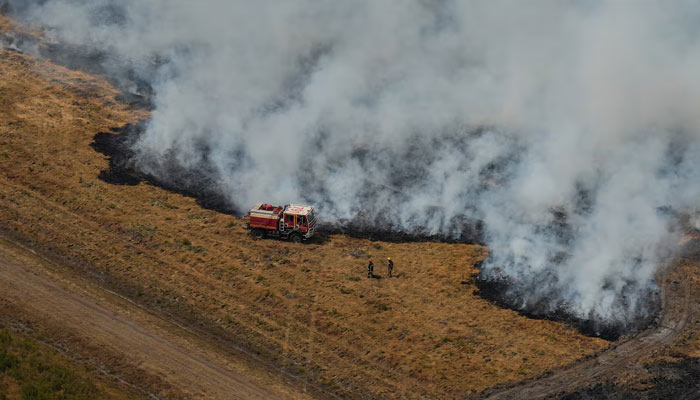
EU Warns Wildfire Response Must Change as Climate Crisis Fuels More Extreme Fires
The European Union has called for a major shift in its wildfire response strategy, saying countries need more funding, stronger forest management and better public awareness as climate change increases the frequency and intensity of devastating fires.
The warning came as France and Spain battled deadly wildfires that forced tens of thousands of people to evacuate and spread across regions already hit by extreme heat and dry conditions. “Climate change is accelerating. So our response must evolve just as quickly,” EU Crisis Management Commissioner Hadja Lahbib told Reuters, stressing that governments must focus on preventing disasters rather than only reacting after they occur.
Prevention Needed Alongside Firefighting
Lahbib said increasing firefighting equipment alone would not solve the growing wildfire challenge. She urged countries to use more EU funding for forest management practices aimed at reducing fire risks. She also highlighted the need for greater public education about fire safety, pointing out that around 90% of wildfires are caused by human activity, including discarded cigarettes and unattended campfires.
EU Strengthens Emergency Support
Although wildfire management remains the responsibility of national governments, the EU coordinates emergency assistance when countries request help. The bloc’s RescEU reserve fleet currently includes 22 firefighting aircraft and five helicopters contributed by member states.
During the latest crisis, the EU coordinated the deployment of seven aircraft and four helicopters to France, while Spain received six aircraft and three ground firefighting teams.
Climate Change Puts More Pressure on Systems
Rising temperatures and prolonged droughts linked to climate change are making wildfires spread faster and burn for longer periods, increasing pressure on emergency response systems. The EU deployed more than 770 firefighters across vulnerable regions ahead of this summer, marking a record level of preparedness.
Officials have warned that some fires could continue burning until November due to worsening climate conditions. “The scale and intensity of these disasters mean we will need to strengthen our collective capacity,” Lahbib said.
The European Commission has proposed raising crisis-response funding to €10.7 billion in the next EU budget, though member states have suggested a reduced figure of €9.1 billion in their latest compromise proposal.
EU Plans Permanent Firefighting Fleet
To improve long-term preparedness, the EU is also developing its own permanent firefighting capability. The bloc plans to acquire 12 Canadair firefighting planes and five helicopters, which are expected to be delivered between 2027 and 2030.
The initiative comes as Europe faces an increasingly severe wildfire threat driven by rising temperatures, prolonged droughts and changing climate patterns.
Comments are closed.