
Social Media, Real Isolation? Why More Adults Are Feeling Lonely Than Ever

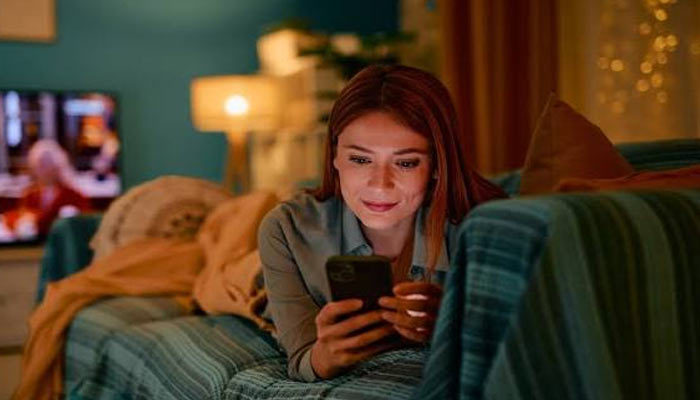
Connected Online, Lonely Offline? Why More Adults Are Struggling With Isolation
With smartphones, social media and instant messaging making communication easier than ever, staying connected should, in theory, be effortless. Yet a growing number of adults report feeling lonely, isolated and emotionally disconnected despite being constantly online.
According to Archana Singhal, counsellor, family therapist and founder of Mindwell Counsel, the rise in loneliness highlights an important reality: digital interaction cannot always replace meaningful human connection.
Being Available Doesn’t Mean Being Connected
Modern communication is largely driven by technology. People exchange messages throughout the day, react to social media posts and participate in group chats, creating the impression of constant interaction.
However, many of these exchanges are brief and transactional. While they help maintain contact, they often lack the emotional depth that comes from face-to-face conversations, shared experiences and genuine companionship.
As a result, people may communicate with dozens of individuals daily while still feeling alone.
- The Challenges Of Adult Friendships
- Loneliness among adults is also linked to the realities of modern life.
Work pressures, family responsibilities and personal commitments can make it difficult to invest time in friendships and social relationships. Unlike school or college years, adulthood offers fewer natural opportunities to meet new people and build lasting connections.
Maintaining friendships requires consistent effort, something many adults struggle to prioritise amid busy schedules and competing responsibilities.
How Social Media Can Worsen Loneliness
While social media platforms are designed to connect people, they can sometimes have the opposite effect.
Users are constantly exposed to carefully curated images of vacations, celebrations, achievements and seemingly perfect lives. Repeated exposure to these highlight reels can trigger unhealthy comparisons, leading individuals to feel left out or dissatisfied with their own circumstances.
Over time, this perception that others are happier or more socially fulfilled can deepen feelings of loneliness and isolation.
The Loss Of Community Spaces
Experts also point to the decline of traditional community networks as a major contributor.
Previous generations often formed strong bonds through neighbourhoods, local gatherings, clubs, religious institutions and community events. Many of these interactions have diminished or moved online, reducing opportunities for meaningful, in-person engagement.
Without these everyday social connections, people may find it harder to develop a sense of belonging and support.
Quality Matters More Than Quantity
Singhal emphasises that loneliness is not determined by how many people someone knows or how active they are on social media. Instead, it is shaped by whether individuals feel genuinely understood, supported and valued in their relationships.
The answer, she says, is not necessarily more communication but more meaningful communication. Deep conversations, authentic relationships and emotional support remain essential for psychological well-being.
As digital platforms continue to play a larger role in everyday life, experts believe it is important to consciously nurture real-world relationships. Because while technology can help people stay in touch, genuine human connection remains irreplaceable.
Comments are closed.