
Sri Lanka Unions Oppose New Bills Giving Police Greater Powers, Warn Of Potential Rights Violations

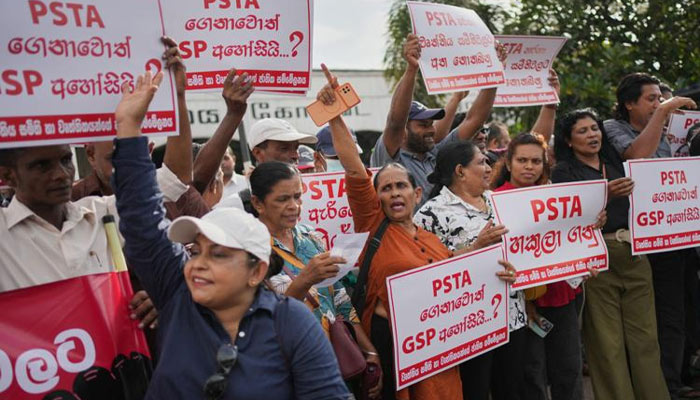
Sri Lanka Witnesses Protests Against Proposed Anti-Terror Bills As Unions Warn Of Crackdown On Dissent
Sri Lanka’s capital witnessed demonstrations on Friday as trade unions and political activists took to the streets to oppose two proposed laws dealing with terrorism and organised crime. Protesters warned that the legislation could significantly expand police and security agencies’ powers, potentially exposing citizens to arbitrary arrests and restrictions on basic freedoms.
The proposed Protection of the State from Terrorism Bill and Prevention of Organised Crimes Bill have been presented to Parliament, with a debate and voting process expected in the coming weeks.
Trade union representatives and activists fear that the new provisions could be used against government critics, journalists and people participating in public protests.
Human Rights Watch Questions Sweeping Security Powers
International rights organisation Human Rights Watch has expressed concerns over the proposed counterterrorism legislation, arguing that its provisions are too broadly defined and lack sufficient judicial safeguards.
The organisation has highlighted provisions that could give armed forces extensive powers to conduct searches and make arrests. It has also raised concerns about executive authority to impose restrictions on freedom of movement and expression.
The proposed law is intended to replace existing legislation that human rights groups have repeatedly criticised for enabling arbitrary detention and alleged torture of detainees over several decades.
The government, however, has rejected accusations that the new measures would undermine fundamental freedoms. Government spokesperson Nalinda Jayatissa said on Tuesday that the proposed legislation would not target trade unions or restrict the media.
Unions Accuse Government Of Abandoning Its Earlier Position
Trade union activist Saman Rathnapriya strongly criticised the proposed bills, describing them as draconian and warning that their provisions could allow authorities to brand ordinary citizens as terrorists.
He questioned why the government was pursuing legislation similar to measures it had opposed while in the opposition.
Rathnapriya also alleged that the administration was concerned about possible public unrest and wanted stronger legal powers to deal with future demonstrations.
According to him, the government’s economic performance has failed to meet public expectations, adding to the possibility of further protests.
President Anura Kumara Dissanayake’s National People’s Power (NPP) alliance came to power in 2024 on promises of political reform and the abolition of oppressive laws.
His electoral victory reflected widespread public dissatisfaction with the country’s traditional political establishment, which had faced criticism over corruption, economic mismanagement and the severe financial crisis that pushed Sri Lanka into turmoil.
The latest legislation has raised questions about whether the government will fulfil its earlier commitments to protect democratic rights and civil liberties.
Opponents argue that expanding the powers of security agencies could discourage public criticism and weaken the right to peaceful protest. The government maintains that the proposed laws will not threaten trade union activities or media freedom.
Rathnapriya said demonstrations would continue if the government refused to withdraw the bills, setting the stage for further confrontation as Parliament prepares to consider the legislation.
Comments are closed.