
Trump’s Russia Sanctions Law: What the 100% Tariff Provision Means for India

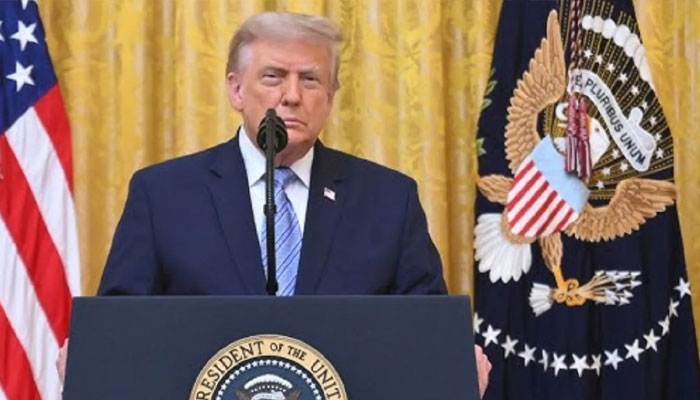
US President Donald Trump has signed the bipartisan Lindsey O. Graham Sanctioning Russia and Iran Act of 2026, giving the administration broader authority to use tariffs and other economic measures against countries that continue buying Russian energy.
The legislation has attracted particular attention because it permits tariffs of as much as 100 per cent on imports from countries purchasing Russian crude oil and natural gas. However, the maximum rate is not automatically imposed when the law takes effect. The legislation instead gives the US administration discretion over whether to impose tariffs and what rate to apply.
100% Tariff Is an Upper Limit
A key point in the legislation is the difference between Congress authorising a measure and the President actually implementing it. The law establishes a tariff range of zero to 100 per cent. Therefore, the signing of the legislation does not itself place a 100 per cent duty on Indian goods entering the US.
The legislation provides for a 30-day period after enactment before the President assesses whether countries have knowingly continued making new purchases of Russian energy. It also creates a review mechanism under which the US Trade Representative will reassess every 180 days the five largest purchasers of Russian crude oil and natural gas.
This means countries could come under greater scrutiny depending on their energy purchases and their position on Russian supplies.
President Gets Broad Powers
The new law gives the White House considerable flexibility in determining how the tariff provisions are used.
The President can adjust the level of tariffs and can also delay or waive their application in circumstances covered by the legislation. A national-interest provision allows the administration to suspend enforcement where it determines that doing so would protect important US economic interests or strategic relationships.
Tariffs can also be adjusted when a country takes what the legislation describes as “significant steps” to reduce or change its purchases of Russian energy. The framework therefore allows Washington to respond differently to individual countries rather than applying the same tariff automatically to every buyer of Russian oil or gas.
What Does This Mean for India?
India is among the countries whose Russian energy purchases could attract attention under the new framework. However, the legislation alone does not establish an immediate 100 per cent tariff on Indian exports.
Any such measure would depend on subsequent decisions by the Trump administration, including whether India falls within the relevant category of major Russian energy buyers and how Washington assesses India’s future purchases.
The potential economic impact would also extend beyond India. A very high tariff on Indian products could raise import costs for American companies and consumers and potentially add to inflationary pressures.
Trade Talks Add Another Dimension
The new tariff authority comes as India and the United States continue discussions on their broader trade relationship.
The legislation could provide Washington with additional leverage in those negotiations, while the actual use of the tariff mechanism would depend on the administration’s assessment of economic, trade and geopolitical considerations.
Energy markets could also influence the US approach. India has become an important refining centre, and changes in its access to crude supplies can affect refined petroleum flows to other markets in Asia and Europe.
India’s Energy Security Remains a Key Factor
New Delhi has maintained that its energy procurement decisions are driven by the need to secure reliable and affordable supplies for its population while protecting national economic interests. India has also pursued a diversified approach to energy sourcing, buying crude from multiple international suppliers based on market conditions.
The new US law consequently creates a significant potential source of pressure for countries continuing to purchase Russian energy, but it does not automatically translate into a 100 per cent tariff on Indian exports.
For India, the next steps will depend on how the Trump administration exercises the powers granted by Congress, how Russian energy purchases evolve and how the broader India-US trade relationship develops.
Comments are closed.