
Trump’s Venezuela Oil Deal: US Eyes Control Over More Than A Fifth Of Reserves

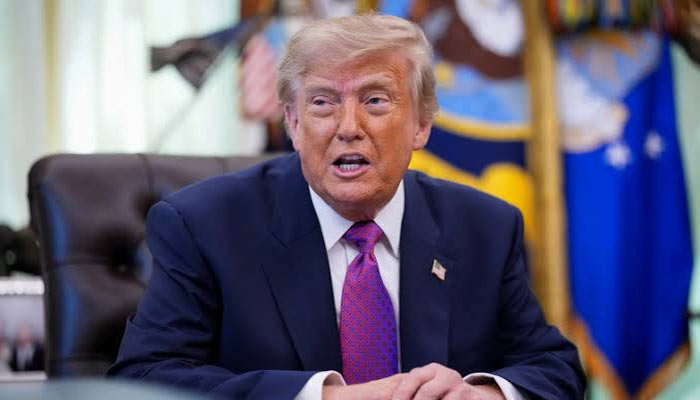
US President Donald Trump has announced a major new oil agreement with Venezuela, claiming that the deal will give American interests majority control over more than 65 billion barrels of the country’s proven oil reserves.
Trump described it as the “biggest oil deal in world history” and said the arrangement was reached through a partnership with private businesses. He also claimed it would come at no cost to US taxpayers.
The 65 billion barrels covered by the agreement amount to roughly one-fifth of Venezuela’s proven reserves, which are the largest in the world. However, Trump’s initial announcement offered few details about the structure of the deal, the companies involved or how Washington would exercise majority control.
What Does The Deal Involve?
The agreement is aimed at reviving Venezuela’s badly damaged oil industry while securing a steady supply of crude for US refineries. Reports indicate that the arrangement involves 17 oil fields and could attract around $100 billion in investment.
US officials have said a new venture would have an effective 55% US stake in output from the fields. Venezuela’s interim government has also said the agreement is expected to generate around $209 billion in revenue for the state.
Venezuelan interim President Delcy Rodríguez welcomed the agreement, saying it could help revive the country’s economy and rebuild its energy sector. She also stressed that Venezuela would retain sovereignty over its natural resources. The agreement is expected to run for 25 years.
Why The Deal Matters
Venezuela has the world’s largest proven oil reserves but currently produces only around 1.25 million barrels of crude per day, far below its potential. Years of underinvestment, mismanagement and sanctions have left much of the country’s oil infrastructure in poor condition.
For Washington, greater access to Venezuelan heavy crude could help supply US refineries and potentially strengthen American oil reserves. Trump has also claimed that increased production will help bring down fuel prices for American consumers.
For Caracas, the agreement promises much-needed foreign investment, technology and infrastructure development.
However, questions remain over the deal’s legal framework, implementation and the extent of actual US control. Venezuela’s state-dominated oil system and existing legal restrictions could create challenges as the agreement moves from announcement to implementation.
Comments are closed.