
Twin Pregnancy, Then One Baby Disappears? Understanding Vanishing Twin Syndrome

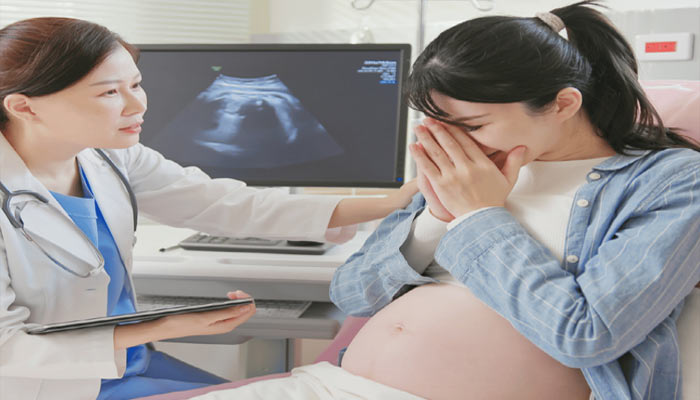
Pregnant With Twins? Here’s Why One Baby May Suddenly ‘Disappear’
Learning that you’re expecting twins is often a moment of pure joy. Two tiny heartbeats on an early ultrasound can turn a routine pregnancy check-up into an unforgettable day for parents-to-be.
But for some families, that excitement gives way to confusion at a later scan when doctors find that only one baby is continuing to grow. The other appears to have vanished.
While it may sound alarming, this is a well-recognised medical condition known as Vanishing Twin Syndrome (VTS). It occurs more often than many people realise and, in most cases, happens during the first trimester of pregnancy.
What Is Vanishing Twin Syndrome?
Vanishing Twin Syndrome occurs when one fetus in a twin or multiple pregnancy stops developing during the early weeks of gestation. Rather than remaining in the uterus, the pregnancy tissue is gradually reabsorbed by the mother’s body, the placenta, or, in some cases, by the surviving twin.
Because the embryo is still extremely small during the first trimester, the body can absorb the tissue naturally without surgery or other medical treatment. As a result, many women may never know they were initially carrying twins if they did not have an early ultrasound.
Why Does It Happen?
The condition is usually the result of problems that occur very early in fetal development—not because of anything the mother did.
The most common causes include:
Chromosomal abnormalities: Genetic errors during fertilisation can prevent an embryo from developing normally.
Placental problems: If one twin does not receive enough oxygen or nutrients because of abnormal placental development, it may stop growing.
Implantation issues: An embryo that fails to implant securely in the uterus may not receive the support needed to survive.
Severe developmental abnormalities: Major defects affecting vital organs can make continued development impossible.
Doctors stress that everyday activities such as walking, climbing stairs, exercising, working, travelling, lifting light objects, or having sex during a healthy pregnancy are not considered causes of Vanishing Twin Syndrome.
Does It Cause Symptoms?
Many women have no symptoms at all, and the condition is discovered only during a routine ultrasound examination.
When symptoms do occur, they may include:
Mild vaginal spotting or bleeding
Light abdominal cramping
Pelvic discomfort
A temporary reduction in pregnancy symptoms, such as nausea
These symptoms can occur in many healthy pregnancies as well, so they do not necessarily indicate Vanishing Twin Syndrome. However, any bleeding during pregnancy should always be evaluated by a healthcare professional.
Is The Remaining Baby At Risk?
The outlook is generally reassuring. If the condition occurs during the first trimester, the surviving baby usually continues to develop normally, and most pregnancies end with the birth of a healthy infant.
If the loss happens later in pregnancy, doctors may recommend closer monitoring because there is a slightly higher risk of complications such as preterm birth.
How Is It Diagnosed?
Vanishing Twin Syndrome is most commonly diagnosed through ultrasound. An early scan may show two gestational sacs or two fetal heartbeats, while a later scan reveals that only one fetus remains.
Doctors may also perform follow-up ultrasounds to monitor the growth and well-being of the surviving baby throughout the pregnancy.
Can It Be Prevented?
In most cases, no. Since the condition is usually linked to naturally occurring genetic or developmental abnormalities, there is no proven way to prevent it.
However, maintaining good prenatal health remains essential. Expectant mothers should attend regular antenatal check-ups, eat a balanced diet, avoid smoking, alcohol and recreational drugs, take prenatal vitamins as prescribed, and manage existing medical conditions under their doctor’s guidance.
The Bottom Line
Vanishing Twin Syndrome can be emotionally devastating, but it is important to remember that it is rarely caused by anything a mother did or failed to do. In most early cases, the surviving baby continues to grow normally, and with regular prenatal care, families can still look forward to a healthy pregnancy and delivery.
Comments are closed.