

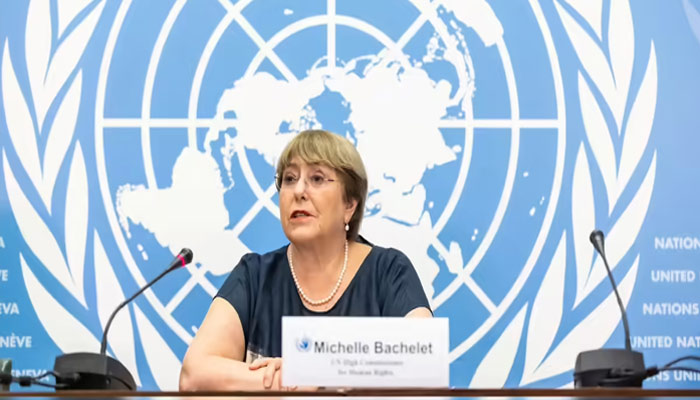
Candidates in the race to lead the United Nations have pledged to push reforms while upholding the body’s core principles, as the contest to succeed António Guterres gains momentum.
Four contenders are currently vying for the top job, with the next secretary-general set to take office early next year. The winner will face the daunting task of restoring credibility to an organisation widely seen as struggling to assert relevance amid global divisions.
At marathon hearings before member states and civil society, all candidates stressed the need to modernise the 80-year-old institution without diluting its founding mission of peacemaking and development.
Reform Under Pressure
The 193-member body is under growing pressure to cut costs and deliver results, particularly as geopolitical tensions have strained the post-war global order. Former Costa Rican vice president Rebeca Grynspan warned that trust in the UN is eroding and called for urgent change.
“To defend the United Nations today is to have the courage to change it,” she said, identifying peacebuilding as her top priority. Former Senegal president Macky Sall echoed the call for reform, promising tighter management and better coordination across agencies.
“Now is the time to do better with less,” he said.
Race Takes Shape
The candidates are competing for a five-year term, renewable once. The field is currently smaller than in 2016, though more names could still emerge.
Grynspan and Chile’s former president Michelle Bachelet are aiming to become the first woman to head the UN. Bachelet has emphasised her commitment to women’s rights, a stance that has also drawn criticism from some US lawmakers.
Also in the fray is Argentina’s Rafael Grossi, who leads the UN’s nuclear watchdog and has backed ongoing reform efforts while calling for deeper changes.
The Road Ahead
While tradition suggests regional rotation—with Latin America seen as next in line—there is no formal rule governing the process. Candidates are also not drawn from the five permanent members of the United Nations Security Council, though support from those powers remains decisive.
As the selection process unfolds, the next UN chief will be tasked with navigating a fractured global landscape while proving the organisation’s continued relevance.
Comments are closed.