
US Execution Halted After Lethal Injection Fails Twice, Christa Pike Rushed to Hospital

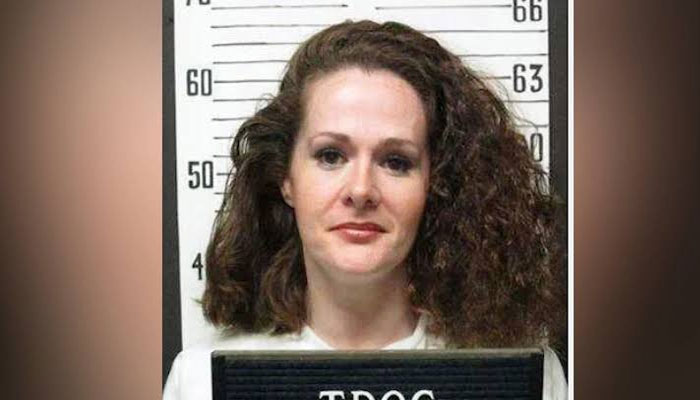
Christa Gail Pike, a 50-year-old Tennessee death row inmate, survived an attempted execution after authorities administered two doses of the lethal-injection drug pentobarbital at Riverbend Maximum Security Institution in Nashville.
Pike was scheduled to become the first woman executed by Tennessee in more than two centuries. However, the execution was halted after she remained alive following the two injections. She was subsequently taken by ambulance to an outside medical facility for treatment.
The extraordinary failure has triggered an investigation into Tennessee’s execution procedures and could lead to a fresh legal battle over whether the state can attempt to execute Pike again.
EXECUTION HALTED AFTER TWO INJECTIONS
Pike was administered pentobarbital during the execution procedure, but witnesses said she continued breathing afterward. Her lawyers also reported that she remained alive after the second dose.
Witnesses described several interruptions during the procedure, with curtains to the execution chamber reportedly being closed as officials worked to complete the injection process.
Pike’s legal team filed emergency court motions as the execution unfolded, arguing that the continued administration of lethal drugs after the first attempt failed raised serious constitutional concerns.
The Tennessee Department of Correction said officials followed the state’s established execution protocol and confirmed that Pike was transported to an outside medical facility.
TENNESSEE ORDERS INVESTIGATION
Governor Bill Lee ordered an independent third-party investigation into the failed execution.
The governor also directed that Tennessee’s remaining scheduled executions for the rest of the year be halted while the incident is reviewed.
The investigation is expected to examine how the execution protocol was implemented and why the two doses failed to produce the intended outcome.
QUESTIONS OVER IV ACCESS
The exact reason for the failure remains unclear.
Pike’s lawyers had previously raised concerns about difficulties accessing her veins and challenged Tennessee’s lethal-injection procedures in court. They had argued that problems with establishing intravenous access could interfere with the execution.
Other potential explanations, including issues involving the administration or effectiveness of the drug, may also be examined as part of the investigation. No definitive cause has been established.
WHY WAS PIKE ON DEATH ROW?
Pike has spent nearly three decades on death row after being convicted of the 1995 murder of 19-year-old Colleen Slemmer in Knoxville.
Pike was 18 at the time of the killing. Prosecutors said she and her then-boyfriend lured Slemmer to a wooded area near a job-training centre, where Slemmer was killed.
Pike was convicted of murder and sentenced to death. She subsequently became the only woman on Tennessee’s death row.
Her lawyers have spent years challenging her execution, citing her background, alleged childhood trauma and concerns surrounding the state’s lethal-injection procedure.
WHAT HAPPENS NEXT?
The failed execution is expected to generate further legal proceedings over whether Tennessee can make another attempt to carry out Pike’s death sentence.
Her attorneys argue that surviving two rounds of lethal-injection drugs could raise constitutional issues under the Eighth Amendment’s prohibition on cruel and unusual punishment.
The state, meanwhile, has maintained that its established execution procedures were followed.
With Pike now in a medical facility and Tennessee’s remaining executions paused, the independent investigation is expected to determine what went wrong during an execution attempt that ended without the death sentence being carried out.
Comments are closed.