
World’s First Cancer Vaccine Reduces Metastasis Risk By 38%: How Personalised Shots Help The Body Fight Cancer

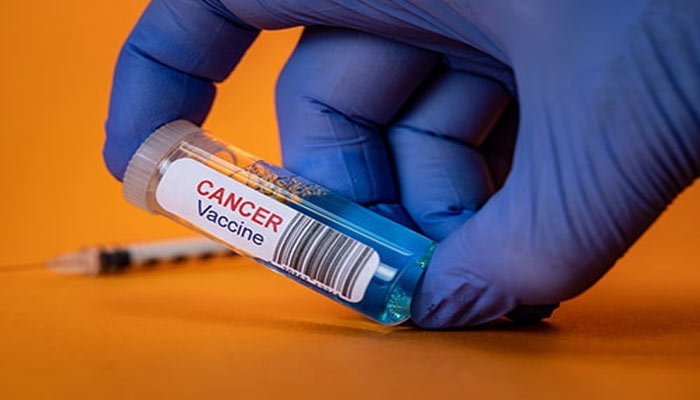
Personalised Cancer Vaccine Shows 38% Reduction In Risk Of Cancer Spread: How Does It Activate The Immune System?
Cancer research is increasingly moving towards personalised treatments designed around the genetic makeup of an individual patient’s tumour. A promising development in this field is an experimental mRNA-based cancer vaccine developed by Moderna and Merck, which has demonstrated encouraging results in a large clinical trial involving patients with high-risk melanoma.
When administered with Keytruda, an immunotherapy drug, after surgery, the personalised vaccine reduced the relative risk of melanoma recurrence or death by 42%. It also lowered the relative risk of distant cancer spread or death by 38%, highlighting the potential of personalised immunotherapy to improve outcomes for certain cancer patients.
The findings from the Phase 3 INTerpath-001 trial offer further evidence that mRNA technology, which gained widespread attention through COVID-19 vaccines, could be adapted to help the immune system recognise cancer-specific targets.
What Were The Major Findings Of The Trial?
The clinical trial enrolled 1,137 adults with high-risk stage IIB, IIC, III or IV melanoma following surgery. Participants received pembrolizumab, marketed as Keytruda, either in combination with the personalised vaccine or alongside a placebo.
At the two-year mark, 82.2% of patients receiving the vaccine and Keytruda were alive without their cancer returning. Among those treated with Keytruda alone, the corresponding figure was 70%.
Researchers also observed a 38% reduction in the relative risk of distant metastasis or death in the vaccine group.
Distant metastasis refers to cancer spreading from its original location to other parts of the body. Although the findings are encouraging, the reported reduction is a comparison between treatment groups. It does not mean that the vaccine completely prevents cancer from spreading or guarantees protection for every patient.
How Does The Personalised mRNA Cancer Vaccine Work?
Traditional vaccines are primarily designed to prevent infectious diseases. This experimental treatment, by contrast, is intended to help the immune system fight cancer in people who have already developed the disease or undergone surgery to remove a tumour.
The process begins by examining the genetic characteristics of a patient’s tumour. Scientists look for mutations that distinguish cancer cells from healthy cells. Certain mutations produce abnormal proteins called neoantigens, which can help the immune system identify cancer cells.
Using information from this analysis, researchers create a personalised mRNA vaccine that carries instructions for producing selected tumour-specific targets. The immune system can then learn to recognise these targets and develop a response against cells that display them.
The concept is similar to giving the body’s defence system a customised identification guide. Rather than targeting cancer in a generalised way, the vaccine aims to focus the immune response on molecular features associated with the patient’s own tumour.
Why Is The Vaccine Combined With Keytruda?
The personalised vaccine and Keytruda work through different mechanisms, making the combination particularly important to researchers.
The vaccine aims to teach the immune system which cancer-related targets to recognise. Keytruda, whose active ingredient is pembrolizumab, blocks the PD-1 immune checkpoint pathway. This pathway can limit immune activity and is one mechanism that certain cancers exploit to avoid being attacked.
By blocking PD-1, Keytruda can help immune cells sustain their cancer-fighting activity. Researchers hope that combining the two treatments will improve the immune system’s ability to identify and attack cancer cells.
The approach brings together two complementary strategies: identifying the target and helping the body’s defences respond to it.
Can The Treatment Prevent Melanoma From Returning?
Preventing recurrence is a central goal of the research.
Even when surgery removes a visible tumour, microscopic cancer cells may remain elsewhere in the body. In people with high-risk melanoma, these cells can potentially lead to the disease returning or spreading to distant organs.
Treatments administered after surgery, known as adjuvant therapies, are designed to reduce this possibility. The trial results suggest that adding the personalised vaccine to Keytruda may improve recurrence-related outcomes compared with Keytruda alone.
However, the results do not establish that all patients will remain cancer-free. Researchers also need longer-term data to determine whether the improvements in recurrence-related outcomes lead to a measurable benefit in overall survival.
Could Personalised Cancer Vaccines Be Used For Other Cancers?
The technology is being investigated beyond melanoma, with personalised cancer vaccine approaches also being studied in diseases such as kidney, bladder and lung cancer.
However, every cancer type has distinct biological characteristics. Evidence from a melanoma trial cannot automatically establish that the same approach will provide comparable benefits in other malignancies. Each application requires appropriate clinical testing.
The wider research effort reflects growing interest in treatments that use tumour-specific genetic information to guide immune responses.
When Could The Vaccine Become Available?
The Moderna-Merck vaccine remains investigational, and it is not yet an established, widely available treatment. The companies have indicated that they will engage with regulators regarding the trial results and potential approval.
Making the treatment accessible also presents practical challenges. Because each vaccine is tailored to an individual patient’s tumour, the process requires tumour analysis, selection of suitable targets and specialised manufacturing. These steps could affect production timelines, costs and the number of patients who can receive treatment.
Regulatory authorities will need to assess the evidence, including the treatment’s benefits, risks and longer-term outcomes, before determining whether it should be approved.
A Promising Step Towards More Personalised Cancer Care
The trial results add to growing evidence that personalised mRNA technology may have a role in treating certain cancers. By directing the immune system towards tumour-specific targets and combining that strategy with immunotherapy, researchers are exploring new ways to reduce the risk of cancer returning or spreading.
Nevertheless, this development should not be interpreted as a universal cancer vaccine or a cure. Longer-term follow-up, regulatory assessment and further research are necessary to establish its lasting benefits and identify which patients are most likely to benefit.
If its effectiveness and practical feasibility are confirmed, personalised cancer vaccination could become an important addition to treatment options for selected patients with high-risk melanoma.
Comments are closed.