
Vaping Not as Harmless as It Seems: Study Links E-Cigarettes to Reduced Lung Function

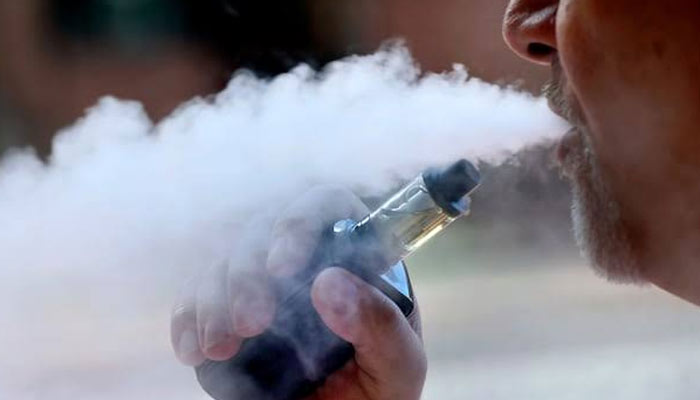
Vaping Could Harm Lung Health: New Study Detects Decline in Lung Function Among Young Adults
Vaping is widely perceived as a less dangerous alternative to conventional smoking, but new research suggests that e-cigarettes may carry significant respiratory risks. A recent pilot study has found a decline in lung function among young adults who regularly used e-cigarettes, raising fresh concerns about the long-term consequences of the habit.
The study, published in the journal Tobacco Control, followed 22 young adults over approximately 12 months. Researchers recorded a reduction in lung function during the observation period, suggesting that frequent vaping could have implications for respiratory health.
Although the findings are concerning, scientists have emphasised that the research is preliminary and cannot establish a direct cause-and-effect relationship between vaping and permanent lung damage.
What Did Researchers Discover?
The study, titled Prolonged Effect of E-cigarette Use on Pulmonary Function: A Pilot Study, involved participants aged 21 to 35. Their respiratory performance was evaluated at two different points, approximately one year apart.
Researchers focused on forced expiratory volume in one second (FEV1), a standard measure used to determine how much air an individual can forcefully exhale in the first second after taking a deep breath.
The analysis revealed an average FEV1 decline of approximately 100 millilitres between the two assessments.
The reduction appeared more pronounced among heavier users. Participants who vaped 30 or more times daily experienced an estimated decline of around 240 millilitres, compared with those who reported vaping zero to four times a day. However, the adjusted association between vaping frequency and lung-function decline was not statistically significant.
Medical Experts Raise Concerns Over Long-Term Effects
The findings have prompted renewed warnings about the possible consequences of continued e-cigarette use.
Dr Mina Makaryus, director of the asthma centre at Northwell Health’s North Shore University Hospital and Long Island Jewish Medical Center, described the research as an important warning for people who vape.
Speaking to the New York Post, he said, “I think vapers should take this small pilot study as a wake-up call.”
Medical experts are concerned that persistent deterioration in respiratory function could potentially contribute to chronic conditions such as chronic obstructive pulmonary disease (COPD), which causes restricted airflow and breathing difficulties.
Dr Makaryus also noted that he had encountered patients whose asthma and obstructive lung disease were associated with vaping.
However, the limited number of participants, absence of a non-smoking comparison group and relatively short follow-up mean that further research is essential before establishing the extent of the risks.
Laboratory Research Reveals Changes in Airway Tissue
Concerns about vaping are also supported by separate laboratory research conducted at the University of California, Riverside.
In a study published in November 2026, scientists introduced a laboratory testing approach called hTET-AIR to investigate the effects of e-cigarette aerosols on human airway tissue.
The researchers exposed laboratory-grown human airway tissue to vaping aerosols for three weeks. Their observations included an increase in mucus-producing cells and squamous metaplasia, a process in which the normal airway lining undergoes structural changes.
Such changes can interfere with the airways’ natural ability to clear mucus and remove inhaled particles.
Prue Talbot, the study’s senior author, highlighted the potential seriousness of squamous metaplasia because it can precede squamous cell carcinoma, a form of cancer. However, the experiment involved laboratory-grown tissue and does not establish that vaping causes cancer in humans.
The research team plans to investigate additional e-cigarette products and identify factors that could make some individuals more vulnerable to airway damage.
The emerging evidence reinforces the need for caution around e-cigarettes. Although vaping is sometimes marketed as a safer substitute for traditional cigarettes, its long-term effects on lung health remain an important area of scientific investigation.
Comments are closed.