
Virat Kohli reveals struggle with impostor syndrome, says Rahul Dravid helped him mentally

Former India captain Virat Kohli has revealed that he has continued to experience “impostor syndrome” even at the height of his international success, saying self-doubt has remained a constant presence throughout his career.
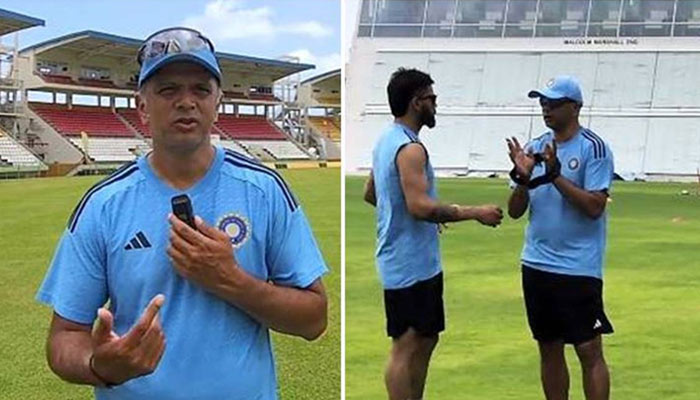
Speaking at the RCB Innovation Lab Indian Sports Summit in Bengaluru, Kohli reflected on the mental strain that followed his long captaincy stint and said former India head coach Rahul Dravid along with batting coach Vikram Rathour played a key role in helping him regain emotional balance during a difficult phase.
Kohli explained that leadership responsibilities across formats eventually took a toll on his mental well-being, particularly during his extended lean patch in Test cricket between 2020 and 2022, when he went nearly three years without a century.
Describing impostor syndrome, Kohli said it reflects a constant internal pressure where even experienced players feel they are not good enough despite proven records. He admitted that such thoughts still surface during practice sessions, especially when younger players are around, adding that he sometimes worries about being judged on off days in training.
Kohli credited Dravid’s empathy and personal experience as a former top-level cricketer for helping him understand and manage those emotions. He also praised Rathour for his consistent support during the transition after his captaincy ended.
According to Kohli, both coaches created an environment that allowed him to enjoy the game again and focus on performance without being weighed down by pressure. Reflecting on his captaincy period, Kohli said the role demanded complete focus on the team, often at the cost of personal emotional needs. He admitted that for years he rarely paused to consider his own mental state.
Looking back, he said it struck him that very few people had asked him how he was coping during nearly a decade of leadership. Despite acknowledging the emotional challenges, Kohli said he would still approach captaincy in the same manner if given another opportunity.
He also commented on workload management, suggesting that young players should first test their physical and mental limits before attempting to regulate workload, in order to understand their true capacity.
Comments are closed.