
WFP Warns Strong El Niño May Leave 49 Million More Facing Severe Hunger

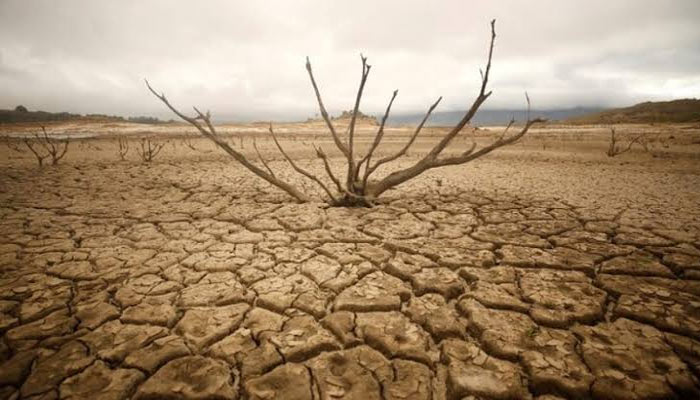
WFP Warns Strong El Niño Could Worsen Global Hunger Crisis
A powerful El Niño weather event could push nearly 49 million more people into acute food insecurity by the end of next year, the World Food Programme (WFP) has warned, as forecasts point to one of the strongest climate events in decades.
The UN agency said there is an 81% chance of a very strong El Niño developing, with Pacific Ocean temperatures already at their highest levels since at least 1982. If projections hold, it could become the strongest El Niño recorded since 1950.
El Niño, caused by the warming of sea surface temperatures in the Pacific Ocean, disrupts weather patterns across the globe. It is typically associated with drought in Southern Africa, delayed monsoons in parts of Asia and erratic rainfall in several other regions, increasing the risk of crop failures and food shortages.
274 Million People Could Face Acute Hunger
Based on an assessment of 45 vulnerable countries, the WFP estimates that the number of people facing crisis-level or worse food insecurity could rise to 274 million—an increase of nearly 49 million, or 22%, from current levels.
Central America and Southern Africa are expected to be among the hardest-hit regions. Food insecurity could rise by 83% in Central America and nearly 75% in Southern Africa, while Southern Africa, South America and the Caribbean could each see more than 12 million additional people requiring urgent food assistance.
“These are the kinds of events that have historically triggered large-scale hunger,” said Jean-Martin Bauer, Director of WFP’s Food Security and Nutrition Analysis Service.
Weather, Conflict and Funding Cuts Raise Concerns
The WFP said global food markets are entering the El Niño period in a relatively stable position after strong harvests in 2025. However, conflicts, particularly in the Middle East, and weather-related crop losses could push up food prices and further strain vulnerable communities.
The agency also warned that declining donor funding is weakening its ability to monitor emerging food crises. Household food-security surveys dropped from around 1.1 million in 2024 to 800,000 in 2025, with data collection declining further this year due to funding constraints.
Officials cautioned that reduced monitoring could delay the identification of worsening hunger hotspots.
Agency Calls for Early Preparedness
Current forecasts suggest below-average rainfall across parts of East Africa, the Sahel, Central America and the Caribbean, while Somalia and neighbouring areas face a higher risk of flooding. South and Southeast Asia could also experience disrupted monsoons, drought and localised floods, threatening agricultural production.
The WFP urged governments and humanitarian agencies to act early, saying timely intervention could reduce the impact of extreme weather on vulnerable populations. The agency said it has already expanded anticipatory action programmes in 18 countries, reaching more than 1.3 million people this year with cash assistance and other support to help communities prepare for climate-related shocks.
Comments are closed.