
When Should You Eat Fruits? Best Timing for Digestion and Nutrient Absorption

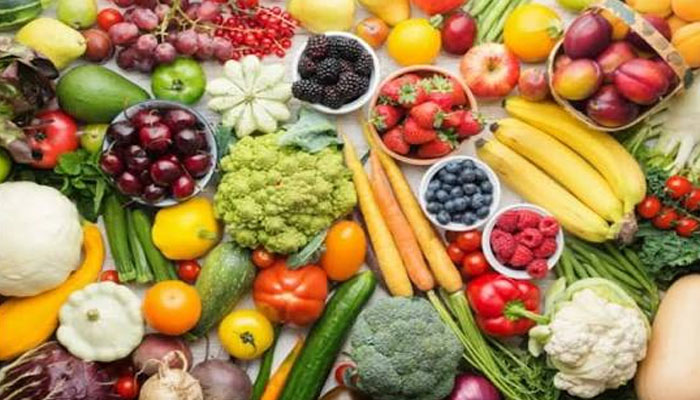
Fruits are packed with natural sugars, water, fiber, vitamins and antioxidants. While they can be eaten at almost any time of the day, choosing when to have them may help some people manage fullness and avoid digestive discomfort.
Have Fruit Before a Main Meal
Eating fruit about 30 minutes before lunch or dinner can help increase satiety because of its high water and fiber content. Feeling fuller before a meal may make it easier to control portions and avoid overeating.
Is Eating Fruit After Meals Bad?
Eating fruit immediately after a large or heavy meal may leave some people feeling bloated or uncomfortable. However, the popular belief that fruit “rots” or ferments in the stomach is not medically accurate.
Stomach acid creates an environment that limits harmful bacterial activity, and fruit is digested along with the rest of the food. Eating it after a meal does not make the fruit unsafe or cause it to lose all its nutritional value.
How Should People With Diabetes Eat Fruit?
People with diabetes can include whole fruits in a balanced diet, but portion size and overall carbohydrate intake are important. Having fruit alongside a meal containing protein, healthy fats or other high-fiber foods may slow carbohydrate absorption and help reduce sharp rises in blood glucose.
Individual blood sugar responses can vary, so people managing diabetes should follow advice from their doctor or dietitian.
Fruit Makes a Healthy Snack
Morning and mid-afternoon are convenient times to enjoy fresh fruit, particularly when it replaces highly processed snacks. Some people prefer having fruit between meals, while others are comfortable eating it with meals.
There is no strong medical requirement to eat fruit only on an empty stomach or to wait a specific number of hours after meals. The priority is to regularly include a variety of whole fruits as part of a balanced diet and choose a timing that suits your digestion and routine.
Comments are closed.