
Beyond Sightseeing: Tourism’s Role in Transforming Asia and the Middle East

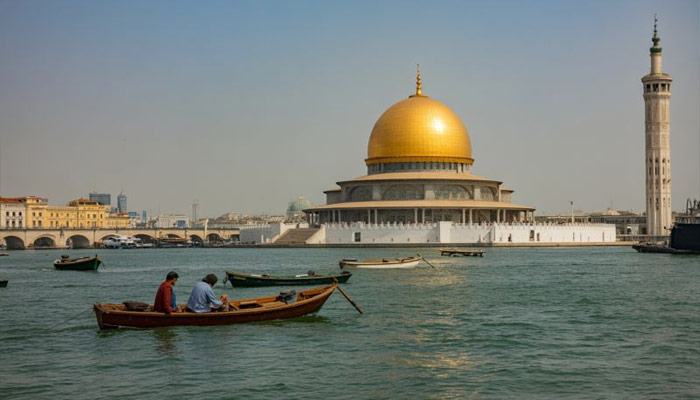
Travel With Purpose: How Tourism Is Driving Change Across Asia and the Middle East.
Travel is no longer just about visiting new destinations; it has become a powerful force for social, cultural, and economic transformation. Across Asia and the Middle East, tourism is going beyond sightseeing—fueling environmental sustainability, heritage preservation, cross-cultural dialogue, and post-conflict recovery. As visitor numbers rise, the sector is proving its potential to drive meaningful change, foster inclusive growth, and strengthen communities.
Healing Communities Post-Conflict
“Tourism is becoming a key tool for healing and renewal in Sri Lanka,” says Charith De Alwais, CEO of Unique Lanka Travels. By offering immersive, community-focused experiences, tourism revenue supports regions still affected by the Civil War and the 2004 tsunami. Homestays, heritage crafts, and nature conservation projects not only provide sustainable livelihoods but also preserve cultural identity. These initiatives showcase tourism’s ability to rebuild infrastructure, encourage cross-cultural dialogue, and foster resilience in communities.
Building Public-Private Partnerships
Tourism also drives economic growth. Ramanpreet Singh, Chief Growth Officer of SKIL Travel, explains, “We develop public-private partnerships to build integrated travel ecosystems across Asia and the Middle East.” From corporate travel logistics to convention centers hosting global events, these collaborations create jobs, promote sustainable tourism, and highlight local culture on a global stage. By connecting governments, hospitality providers, and airlines, tourism strengthens regional economies and encourages knowledge exchange.
Climate-Adaptive Travel
Sustainability is increasingly shaping tourism. N.M. Shafiq, General Manager at Mannai Holidays, notes, “Destinations are investing in solar resorts and energy-efficient lodges to minimise carbon footprints while supporting local economies.” Across Qatar and the UAE, eco-friendly infrastructure and low-impact activities help protect ecosystems, preserve heritage, and educate travelers on environmental stewardship. Climate-adaptive tourism safeguards natural and cultural assets for future generations.
Fostering Cross-Cultural Understanding
Tourism also bridges cultural divides. Emma Le, Inbound Director at Thang Long Tours and Travels, says, “Experiences like cooking workshops, village visits, and community festivals allow travelers to engage authentically with local cultures.” By participating in local traditions, visitors build genuine connections, promote social inclusion, and encourage cultural appreciation. Tourism thus becomes a platform for meaningful dialogue and mutual understanding.
Across Asia and the Middle East, tourism is proving its impact goes far beyond revenue. By creating jobs, promoting sustainability, preserving heritage, and fostering cultural exchange, travel is helping communities thrive. Integrating economic development with environmental responsibility and social engagement, tourism is leaving a lasting, positive mark on the regions it touches.
Comments are closed.