
Top Trump Security Official Resigns, Claims US Went to War Due to Israel Pressure

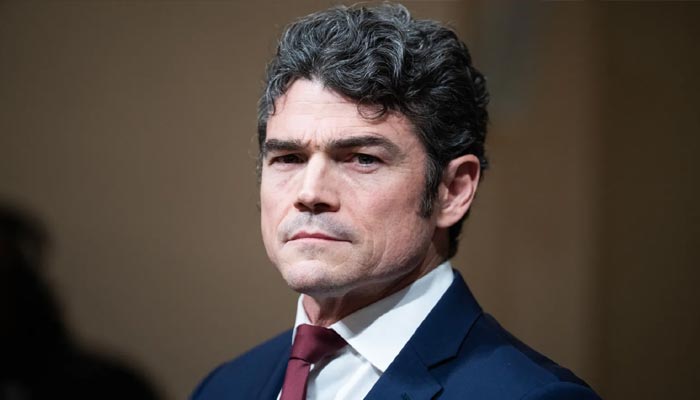
Joe Kent, director of the US National Counterterrorism Center (NCTC), has stepped down from the administration of Donald Trump, citing strong objections to the US military campaign against Iran.
In his resignation statement, Kent said he “cannot in good conscience” support the ongoing war, arguing that Tehran did not pose an immediate threat to the United States. He also alleged that Washington’s decision to enter the conflict was influenced by pressure from Israel.
“Iran posed no imminent threat to our nation, and it is clear that we started this war due to pressure from Israel and its powerful American lobby,” Kent wrote in a social media post.
His exit marks one of the most senior-level resignations since tensions between the US and Iran escalated into open conflict, and is likely to intensify political debate in Washington over the war’s justification.
Kent also shared a letter addressed to Trump, saying that while he supported the broader foreign policy direction the president had campaigned on, he disagreed with the decision to launch military action against Iran. He urged Trump to reconsider the course of the war, warning of long-term consequences.
Trump pushes back
Kent’s remarks come amid contrasting statements from Trump, who has rejected suggestions that the US acted under Israeli pressure. Speaking at the Oval Office, Trump said the strikes were pre-emptive and necessary.
“They were going to attack if we didn’t do it,” he said, referring to Iran, adding that both the US and Israel were prepared for action.
Who is Joe Kent?
Kent was confirmed as NCTC director in 2025 after a narrow vote in the US Senate. Before joining the administration, he ran twice for Congress from Washington state. A former US Army Special Forces soldier (Green Beret), Kent served multiple combat deployments. He later worked with the Central Intelligence Agency, building a background in intelligence and counterterrorism before taking up the top role at the NCTC.
His resignation is expected to add momentum to growing scrutiny over US foreign policy in the Middle East, particularly as the conflict with Iran continues to evolve.
Comments are closed.