
Trump issues stark 48‑hour ultimatum to Iran over Hormuz blockade, threatens power plant attacks

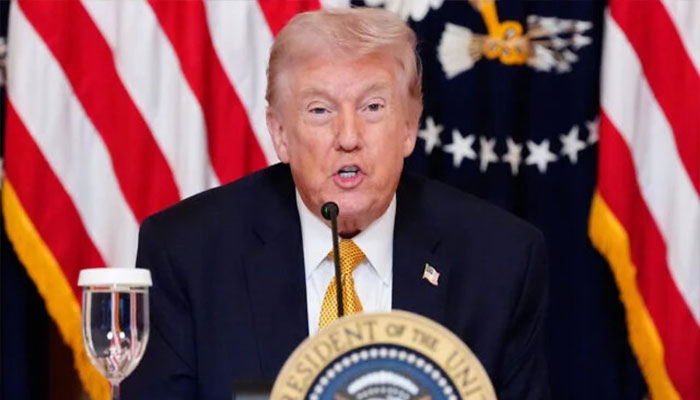
Donald Trump has issued a 48-hour ultimatum to Iran, threatening to strike its power infrastructure if Tehran fails to reopen the crucial Strait of Hormuz.
In a strongly worded post, Trump warned the United States would “hit and obliterate” Iranian power plants—starting with the largest—if the key shipping route is not “fully open, without threat” within the deadline.
Conflict escalates in fourth week
The warning comes as the war enters a more volatile phase. Israeli officials say Iran has, for the first time in the current conflict, launched long-range ballistic missiles, significantly expanding the threat landscape. Israeli military chief Eyal Zamir said the missiles have a range of up to 4,000 km, putting parts of Europe within reach. Iranian strikes have also reportedly caused injuries near sensitive sites in Israel.
At the same time, Iranian media reported fresh US-Israeli strikes on the Natanz nuclear facility, signalling further escalation. The human cost continues to mount, with over 2,000 people killed in Iran and at least 15 in Israel since hostilities began.
Global energy fears intensify
The Strait of Hormuz, which carries nearly a fifth of the world’s oil supply, remains partially restricted, disrupting global energy flows and pushing prices higher. The crisis has prompted concern worldwide, with more than 20 countries calling for the immediate restoration of safe maritime transit.
Europe, Japan ready to coordinate
Major economies—including United Kingdom, France, Germany, Italy, Netherlands and Japan—have signalled readiness to work together to secure the waterway and stabilise markets.
Trump criticises NATO, hints at drawdown
Trump also took aim at NATO, calling it ineffective without US backing and accusing allies of failing to act during the crisis. Even as tensions rise, he suggested US operations may be nearing their objectives, hinting at a possible winding down of military action. However, that message was complicated by signals that Washington could ease sanctions on Iranian oil to contain rising fuel prices.
Situation remains fluid
Despite talk of de-escalation, the conflict shows no signs of easing, with military activity intensifying and global economic concerns mounting.
Comments are closed.