
Madhya Pradesh Assembly clears women’s quota resolution after heated standoff

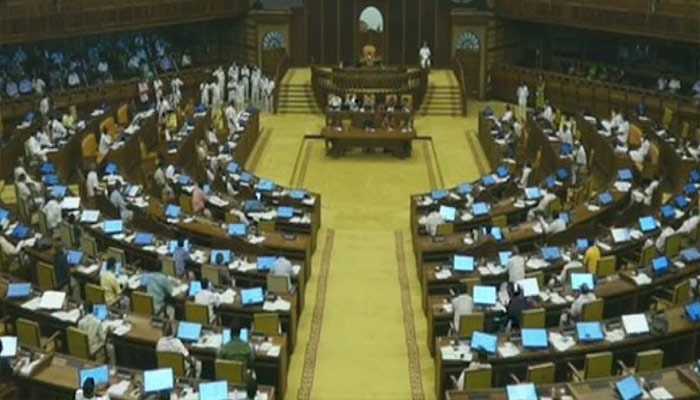
A stormy special session of the Madhya Pradesh Legislative Assembly, convened under ‘Nari Shakti Vandan’, ended.
With the House passing a resolution backing 33% reservation for women in Parliament and state Assemblies, even as a sharp political showdown unfolded between the ruling and opposition benches. The resolution, moved by Chief Minister Mohan Yadav, calls for implementing the quota after the delimitation process, positioning it as a step towards greater political empowerment of women.
Government vs Opposition
Opening the debate, Yadav targeted the Indian National Congress, accusing it of historically failing to ensure adequate representation for women despite being in power for decades.
He described the move as correcting an “injustice against half the population” and asserted that meaningful implementation would require constitutional changes along with delimitation. He also highlighted the state’s administrative representation, claiming Madhya Pradesh is moving towards becoming a “Mahila Sashaktikaran Pradesh”.
Congress flags ‘delay’
The opposition, however, questioned the intent behind the resolution, focusing on the delay built into its framework. Leader of Opposition Umang Singhar argued that linking reservation to delimitation effectively postpones its benefits. “Women need reservation now, not in the distant future,” he said, accusing the ruling Bharatiya Janata Party of making symbolic commitments without immediate action.
Walkout and war of words
Tensions escalated as the Congress staged a walkout after the resolution was passed, alleging it was pushed through despite their objections. The session also witnessed controversy over remarks by Congress MLA Phool Singh Baraiya, which drew strong reactions from BJP legislators. While Baraiya said his comments were taken out of context, BJP MLA Lalita Yadav criticised the opposition, calling the remarks inappropriate.
Charged session ends with resolution passed
The nearly day-long proceedings remained tense, with both sides accusing each other of lacking genuine commitment to women’s empowerment. While the government pitched the resolution as a structural reform requiring due process, the opposition maintained it was a delayed promise without immediate impact. Despite the acrimony, the House cleared the proposal, setting off fresh political debate over when and how women’s reservation will actually be implemented.
Comments are closed.