
Vaginoplasty explained: Why the procedure is suddenly trending online

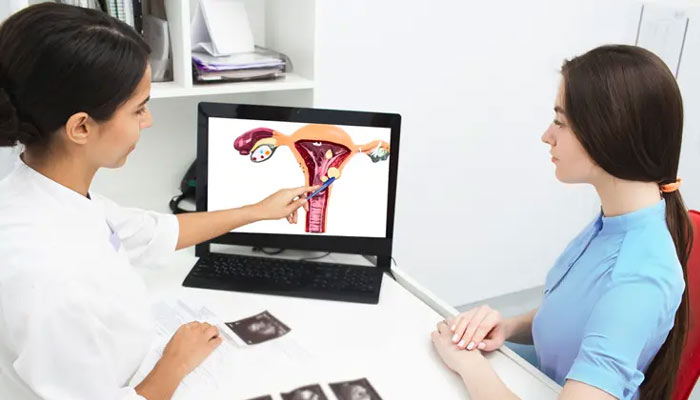
Once considered a highly private subject, conversations around intimate wellness and pelvic health are now becoming far more mainstream.
Among the procedures drawing increasing attention online is vaginoplasty, a surgery many women are now researching amid growing awareness about postpartum recovery, ageing and intimate health.
What is vaginoplasty?
Vaginoplasty is a surgical procedure that involves tightening, repairing or reconstructing the vaginal canal and surrounding muscles. Doctors say the tissues and muscles in the pelvic region can weaken or stretch over time due to childbirth, ageing, hormonal fluctuations or physical stress.
Some women may experience symptoms such as reduced muscle tone, pelvic weakness, vaginal looseness or changes in intimate comfort. In such situations, vaginoplasty may be considered as one of the available treatment options.
The procedure is not always cosmetic. Specialists note that vaginoplasty can also serve reconstructive or functional purposes, including treatment after childbirth injuries, pelvic trauma, congenital conditions or as part of gender-affirming care.
Why is it suddenly being discussed so much?
Health experts say the rise in conversations around intimate wellness has played a major role in the growing curiosity surrounding the procedure.
For years, many women avoided openly discussing pelvic health or sexual wellness because of social stigma and embarrassment. Today, however, social media, podcasts and wellness content creators are normalising conversations around postpartum recovery, pelvic floor strength and body confidence.
As awareness increases, more women are learning that many physical changes linked to childbirth and ageing are common and treatable. At the same time, clinics offering cosmetic gynaecology and intimate wellness procedures are advertising these services more openly than before.
Childbirth and ageing linked to rising interest
Pregnancy and vaginal delivery can significantly impact pelvic muscles and vaginal tissues. While many women recover naturally with time, others may continue to experience weakened muscle tone or pelvic discomfort long after childbirth.
For some women, these changes may affect physical comfort, while others may notice reduced confidence or concerns related to intimacy. This has contributed to growing online searches around procedures like vaginoplasty among young mothers.
Ageing is another major factor. Hormonal changes, especially during menopause, can reduce tissue elasticity and muscle strength over time. Some women may also experience urinary leakage, dryness or weakened pelvic support as they grow older.
Different from other cosmetic gynaecology procedures
Doctors also clarify that vaginoplasty is often confused with several other intimate procedures discussed online.
Vaginoplasty specifically focuses on tightening or reconstructing the vaginal canal and internal muscles. Labiaplasty changes the appearance or size of the labia, while hymenoplasty involves reconstruction of the hymen. Perineoplasty, meanwhile, repairs the area between the vagina and anus, often after childbirth-related injuries.
Because these procedures are frequently grouped together on social media under “intimate cosmetic surgery”, misconceptions around them have increased.
Surgery is not always the first option
Medical specialists stress that surgery is not necessary for every woman experiencing postpartum or age-related changes.
Non-surgical treatments such as pelvic floor exercises, physiotherapy, hormonal therapy and lifestyle modifications can often help improve pelvic strength and muscle support naturally. In some cases, minimally invasive treatments like laser or radiofrequency therapy may also be explored.
Doctors advise women not to make decisions purely based on online trends or social media discussions and recommend consulting qualified gynaecologists for proper medical guidance.
Risks and recovery
Like any surgery, vaginoplasty carries certain risks, including infection, bleeding, pain, scarring, temporary numbness, delayed healing or discomfort during intercourse. Recovery can take several weeks, and doctors generally advise patients to avoid strenuous physical activity and sexual intercourse during the healing process.
Experts emphasise the importance of seeking information from certified medical professionals rather than relying solely on internet content or promotional advertisements.
Comments are closed.