
Scientists say worst climate scenario is becoming less likely, but hopes for the best outcome are fading

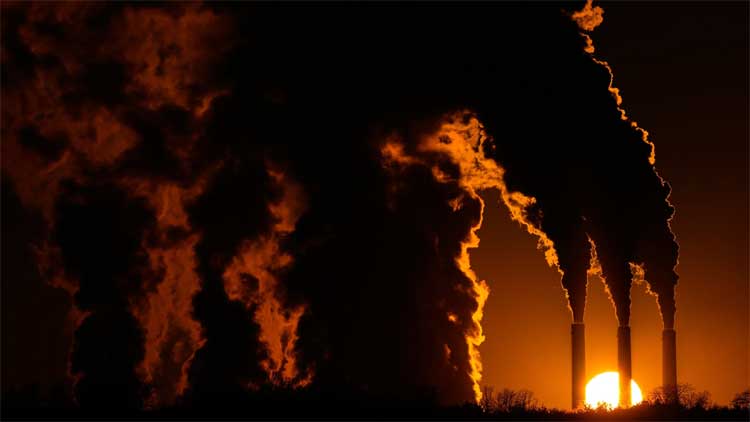
Scientists are reshaping how they think about the planet’s climate future, abandoning both their most optimistic and most catastrophic warming projections as increasingly unrealistic. The shift reflects a mixed reality in the global fight against climate change: rapid growth in renewable energy has reduced the likelihood of the most severe warming outcomes, but progress has still fallen short of preventing temperatures from breaching internationally agreed targets.
Researchers have proposed a new set of seven plausible future emissions pathways that replace older climate scenarios long used in scientific assessments and policymaking. The updated projections suggest that while humanity is no longer heading toward the most extreme fossil fuel-driven future once feared, it is also moving beyond the possibility of meeting the most ambitious climate goals.
The changes stem largely from shifts in global energy systems. Carbon dioxide released through the burning of coal, oil and natural gas remains the primary driver of global warming. However, the rapid expansion of renewable energy sources such as solar, wind and geothermal power has reduced expectations for future emissions growth. At the same time, researchers say the pace of transition has not been sufficient to keep warming within safer limits.
The international target set under the Paris Agreement aimed to limit warming to 1.5 degrees Celsius above pre-industrial levels. That benchmark became central to global climate policy and inspired the slogan “1.5 to stay alive.”
Scientists now say even their most optimistic future scenario would temporarily exceed that threshold.
Under updated projections, the best-case pathway sees temperatures rising above 1.5°C, peaking near 1.7°C before potentially falling back if large-scale carbon removal technologies become viable in the future. The previous worst-case scenario — one heavily dependent on coal use and projecting warming of 4.5°C by 2100 — is no longer considered plausible.
Instead, researchers now place the upper range of likely warming closer to 3.5°C by the end of the century.
“There is kind of a narrowing of the futures. It cannot be as bad as we thought, but it cannot be as good as we hoped,” said Johan Rockström.
The world has already warmed by approximately 1.3°C compared with pre-industrial levels. Scientists warn that even small increases beyond that point can trigger major impacts, including stronger heatwaves, flooding, biodiversity loss and growing pressure on freshwater supplies.
Experts say developing countries and vulnerable regions face the greatest risks. Small island nations in particular remain highly exposed to sea-level rise and other long-term climate effects.
Researchers also stressed that climate outcomes are not determined solely by human emissions. Natural feedback mechanisms — such as carbon releases from forests, oceans and thawing ecosystems — could add further warming beyond current projections.
While the latest scenarios remove some of the most alarming possibilities, scientists say they do not lessen the urgency of action.
“The risks of climate change have not disappeared,” said Detlef Van Vuuren. “We are still heading toward a future with significant climate impacts — a future we should avoid.”
Comments are closed.