
Border Controls Strengthened Globally as Ebola Outbreak Raises Health Fears

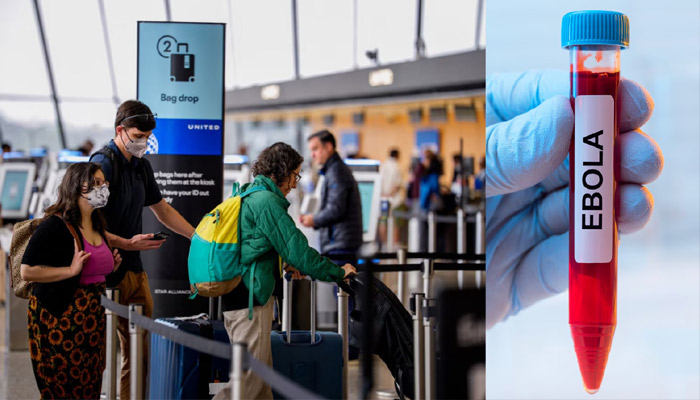
Governments across several continents have intensified health surveillance and tightened travel measures amid growing concern over a worsening outbreak of Ebola in parts of Central Africa.
A widening international response has seen countries introducing stricter airport screening, entry restrictions, and in some cases temporary travel bans for passengers arriving from affected regions. Authorities say these steps are aimed at slowing any potential cross-border spread while containment efforts continue on the ground.
The United States, Canada, the Bahamas, Bahrain and Jordan are among those implementing the most stringent measures, including enhanced screening at airports and mandatory quarantine protocols for travellers linked to high-risk areas. Elsewhere, countries such as India, Kenya and Thailand have stepped up monitoring at entry points and urged citizens to avoid non-essential travel to affected regions.
Health officials say particular concern surrounds the involvement of the rare Bundibugyo strain of Ebola, for which no widely approved vaccine is currently available. Reports of hundreds of suspected cases and fatalities in parts of the Democratic Republic of the Congo and Uganda have raised alarm, with ongoing conflict, displacement and strained healthcare systems complicating containment efforts.
Despite the tightening of global restrictions, public health agencies including the World Health Organization and Africa CDC have cautioned against over-reliance on border closures alone, arguing that controlling the outbreak at its source remains the most effective way to prevent international spread.
They continue to emphasise that Ebola spreads through direct contact with infected bodily fluids and is not airborne, meaning the risk to the general public remains limited when appropriate precautions and hygiene measures are followed.
Comments are closed.