

US Strikes Iranian Radar Sites After Drone Launches Near Strait of Hormuz
Tensions between the United States and Iran escalated on Friday after the US military said it intercepted four Iranian drones headed toward the Strait of Hormuz before launching retaliatory strikes on Iranian coastal radar installations.
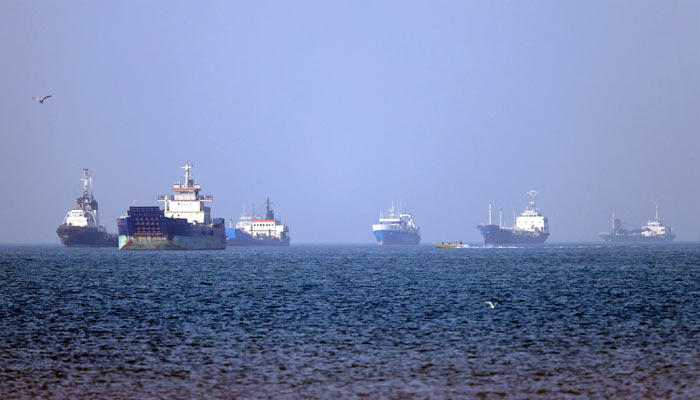
According to US Central Command, the drones posed an immediate threat to commercial maritime traffic passing through the strategically important waterway, a vital route for global oil and natural gas shipments. In response, American forces targeted several Iranian surveillance radar sites, including facilities located on an island in the Strait of Hormuz, with the stated aim of preventing further attacks.
The latest confrontation comes amid growing instability in the Gulf region and threatens to undermine a fragile ceasefire that has been under discussion between Washington and Tehran. The Trump administration has intensified pressure on Iran in recent weeks, including enforcing restrictions on Iranian ports and expanding sanctions targeting the country’s energy sector.
The drone incident follows a series of exchanges that have raised concerns about a broader regional escalation. Earlier this week, a drone attack linked to the ongoing conflict caused significant damage at Kuwait’s main airport, resulting in casualties and temporarily disrupting operations.
Despite the rising tensions, US President Donald Trump expressed optimism about ongoing diplomatic efforts. Speaking to reporters during an event in Wisconsin, Trump said the situation with Iran was progressing positively and suggested that a resolution could be reached either through negotiations or stronger measures if necessary.
Trump also acknowledged that discussions over extending the ceasefire and advancing talks on Iran’s nuclear programme have proven challenging. While US and Iranian negotiators reportedly reached a preliminary framework for extending the truce and resuming dialogue, key disagreements remain unresolved.
The president indicated that Tehran still retains a significant portion of its missile arsenal, underscoring the security concerns that continue to shape negotiations.
Meanwhile, the regional situation remains complicated by developments in Lebanon. Although Washington has promoted a recent ceasefire arrangement between Israel and Lebanon, renewed violence has cast doubt on its durability. Israeli forces carried out strikes in southern Lebanon on Friday, while clashes between troops and militants resulted in casualties on both sides.
Iran has repeatedly linked broader regional stability to developments in Lebanon, making the situation there an important factor in any long-term agreement.
In a separate operation, the US military announced that it had boarded a sanctioned tanker allegedly connected to Iran in the Indian Ocean. Washington also unveiled a fresh round of sanctions targeting individuals, companies and vessels accused of supporting Iran’s energy exports.
The latest developments highlight the fragile state of diplomacy in the region, with military actions, sanctions and ceasefire negotiations unfolding simultaneously as both sides seek leverage in an increasingly volatile standoff.
Comments are closed.