
Southern Africa Sees Malaria Resurgence as Climate Shifts Undermine Progress

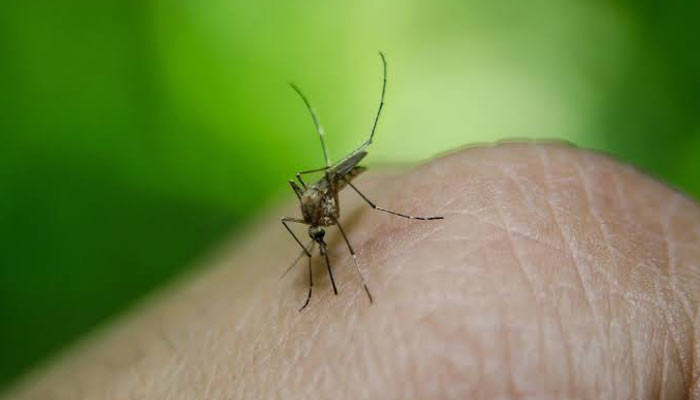
Climate Change Drives Malaria Surge Across Southern Africa, Threatening Elimination Goals
A surge in malaria cases across southern Africa is raising concern among health officials, with experts warning that shifting climate patterns are intensifying outbreaks and undermining efforts to eliminate the disease in several countries.
In South Africa’s Mpumalanga province, health workers are stepping up mosquito-control measures as infections rise sharply. The region, part of the country’s malaria belt, has seen increased transmission amid erratic rainfall and rising temperatures that create ideal breeding conditions for mosquitoes.
According to the National Institute for Communicable Diseases (NICD), malaria cases in Mpumalanga were four times higher in January compared to the same period a year earlier, putting South Africa’s 2029 elimination target under pressure.
The impact is no longer confined to traditional hotspots. Gauteng province, which includes Johannesburg and Pretoria and is not typically malaria-endemic, recorded more than 400 cases and 11 deaths in the first three months of 2026. Health authorities say most infections were imported from high-risk areas, but the numbers remain a cause for concern.
Elsewhere in the region, Namibia reported a 68% rise in malaria cases in early 2026, while Mozambique recorded more than 1.35 million infections in the first six weeks of the year following heavy flooding that created widespread mosquito breeding sites.
Public health experts say climate change is not necessarily expanding malaria into entirely new regions, but is intensifying transmission in areas where the disease already exists. Warmer temperatures speed up mosquito development and shorten the malaria parasite’s incubation period, while heavy rainfall leaves stagnant water that supports rapid mosquito breeding.
Health officials also point to the combined impact of climate change and natural weather patterns such as La Niña, which has brought above-average rainfall and flooding across parts of southern Africa.
On the ground, rising cases are straining healthcare systems and control programmes. Flooded roads often delay indoor spraying campaigns and limit access to remote communities, while extreme heat can disrupt vaccine cold chains and other essential medical logistics.
Despite ongoing interventions, including indoor residual spraying, some communities remain hesitant to allow health teams into their homes, complicating prevention efforts.
Experts warn that without stronger climate adaptation strategies and sustained public health interventions, southern Africa’s progress toward malaria elimination could face significant setbacks in the coming years.
Comments are closed.