
Amid E20 concerns, Centre tells SC ethanol-mixing trial results due next year

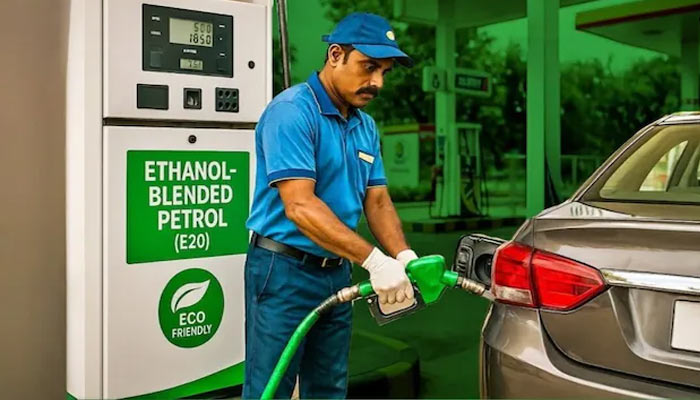
Govt tells SC E20 rollout still an experiment, says impact will be clearer next year.
The Centre on Tuesday told the Supreme Court that India’s 20% ethanol blending (E20) programme is still effectively an ongoing experiment, with a clearer assessment of its impact expected by next year.
The submission comes amid growing concerns over E20 petrol, with critics questioning whether higher ethanol content could affect older vehicles and reduce fuel efficiency. The government, however, maintained that there is no conclusive evidence linking E20 fuel to mechanical damage and said the policy strengthens India’s energy security, supports farmers and helps cut emissions.
The remarks were made during a hearing on a petition filed by state-run Bharat Petroleum Corporation Limited (BPCL) against a Karnataka High Court order related to ethanol allocation for the 2025-26 supply year.
The High Court had directed Oil Marketing Companies (OMCs)—BPCL, Hindustan Petroleum Corporation Limited (HPCL) and Indian Oil Corporation (IOC)—to consider a distillery’s request for a higher ethanol allocation before finalising the tender process.
BPCL argued that the order could have wider implications for the government’s ethanol blending target.
Appearing for the Centre, Attorney General R Venkataramani told the Supreme Court that ethanol supply contracts had already been finalised in October 2025 and reopening allocations at this stage could disrupt the national programme.
“The ethanol supply contracts had already been finalised in October 2025. Such petitions are pending before several high courts. This will impact the national policy,” he said. Referring to the E20 rollout, Venkataramani added, “The government is trying to experiment with 20% ethanol blending. We will have results of that by next year.”
He argued that allowing changes for one supplier could trigger similar claims from others, leading to multiple litigations and disrupting the ethanol supply chain. According to the Centre, BPCL, the coordinating agency for the ethanol-blended petrol programme, received cumulative supply offers of about 1,759 crore litres during the tender process.
The Attorney General also sought permission to file a transfer petition, saying the issue should be settled before October, when ethanol supply contracts are due for renewal. “If I go before the division bench and then again to other high courts, it will be delayed,” he told the court.
“The 20% mix of ethanol is a policy decision that is not likely to change. How much ethanol is made available to companies may go up or down depending on demand and other factors,” he said.
India achieved its target of 20% ethanol blending in petrol in 2025, five years ahead of schedule, with oil marketing companies rolling out E20 fuel nationwide from April 1. The government has since announced a target of raising ethanol blending to 30% by 2030.
The court hearing came days after the Union Petroleum Ministry dismissed concerns that E20 fuel could affect vehicle insurance coverage, calling such claims unfounded after consultations with stakeholders.
The ministry reiterated that ethanol blending is a globally accepted practice followed in countries such as the United States, Brazil and Japan. It also said the programme has helped India save more than Rs 1.4 lakh crore in foreign exchange by reducing crude oil imports while contributing to cleaner mobility, lower emissions and greater energy security.
Comments are closed.