

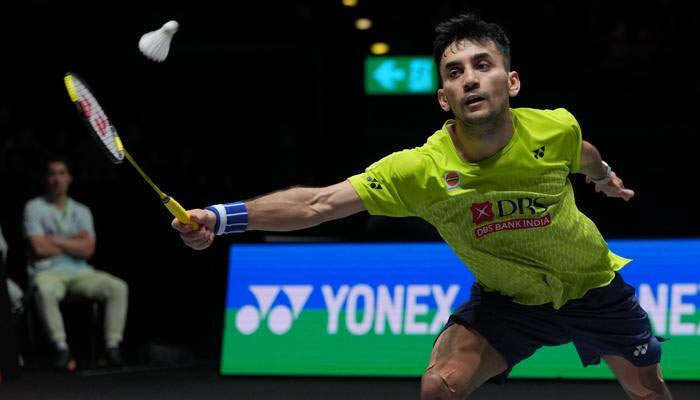
India adopts badminton’s new 15-point scoring system ahead of global rollout
In a significant move to prepare players for the sport’s next major change, the Badminton Association of India (BAI) has decided to implement the Badminton World Federation’s (BWF) new 3×15 scoring system across all domestic tournaments with immediate effect.
Instead of waiting for the international rollout in January 2027, India will introduce the format at the All India Senior Ranking Tournament in Ernakulam, scheduled from July 7 to 14, 2026.
Why India is moving ahead of the world
BAI’s early adoption is aimed at ensuring Indian players, coaches and technical officials are fully accustomed to the revised format before it becomes mandatory on the international circuit.
The new scoring system will be used across all domestic age-group events—from Under-11 competitions to Senior and Masters National Championships—giving players ample competitive exposure.
Explaining the decision, BAI General Secretary Sanjay Mishra said:
“This decision has been taken to ensure that players across all age groups develop familiarity and competitive adaptability to the revised scoring format, thereby ensuring a smooth transition when the system is adopted internationally.”
What changes under the new scoring system?
Although matches will continue to be played in a best-of-three-games format using rally scoring, several key rules have changed:
Each game will now be played to 15 points, instead of 21.
A player must win by two points once the score reaches 14-14. If the game reaches 20-20, the next point decides the winner, effectively capping the game at 21 points.
The mid-game interval shifts from 11 points to 8 points, while the two-minute break between games remains unchanged. Players will continue to change ends in the deciding third game.
Why did the BWF change the scoring system?
The BWF approved the new format after years of trials and consultation, citing three key objectives.
Faster, more attacking contests
Shorter games reduce the scope for conservative play during the middle stages, forcing players to maintain attacking intensity from the opening rally and making every point more valuable.
Better for broadcasters
The revised format is expected to produce shorter and more predictable match durations, making tournament schedules easier to manage for television broadcasters and digital streaming platforms.
Reducing physical strain
By limiting prolonged rallies and lengthy matches, the BWF hopes to ease the physical demands of an increasingly packed international calendar. The change is also expected to reduce fatigue-related injuries while placing greater emphasis on speed, precision and tactical decision-making rather than endurance alone.
Comments are closed.