
India Gets First Dengue Vaccine: Who Should Take It, Cost, Efficacy And Key Details

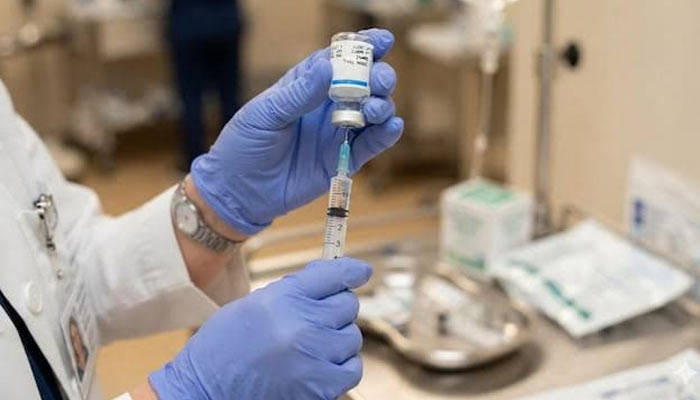
India Approves First Dengue Vaccine: Who Can Take It, Cost, Effectiveness And Key Details
India has taken a significant step in the fight against dengue after the country’s drug regulator approved its first vaccine against the mosquito-borne disease, offering a new preventive tool as infections continue to pose a major public health challenge.
According to the National Centre for Vector Borne Disease Control (NCVBDC), India recorded 121,824 dengue cases and 131 deaths in 2025. While fatalities have declined from 297 in 2024 and 485 in 2023, the disease continues to infect lakhs of people every year, accounting for nearly one-third of the global dengue burden.
India Gets Its First Approved Dengue Vaccine
The Central Drugs Standard Control Organisation (CDSCO) has approved QDENGA, a dengue vaccine developed by Japanese pharmaceutical company Takeda Pharmaceutical.
The approval comes amid a steady rise in dengue infections across India. Takeda estimates that reported dengue cases in the country have increased more than elevenfold over the past two decades, underscoring the need for additional preventive measures alongside mosquito-control efforts.
How Does QDENGA Work?
QDENGA is a live-attenuated tetravalent vaccine, designed to provide protection against all four dengue virus serotypes—DENV-1, DENV-2, DENV-3 and DENV-4.
A key advantage of the vaccine is that it can be administered regardless of whether a person has previously been infected with dengue. Unlike some earlier dengue vaccines, it also does not require pre-vaccination blood testing to determine prior exposure, making large-scale immunisation easier.
Who Is Eligible?
Based on recommendations from the subject expert committee, the Drugs Controller General of India (DCGI) has approved QDENGA for individuals aged 4 to 60 years.
The vaccination schedule consists of two doses administered several months apart.
How Effective Is It?
Clinical trials and long-term follow-up studies have shown encouraging results.
According to available data, QDENGA:
Reduces the risk of symptomatic or moderate dengue by 61% to 80%
Lowers the risk of dengue-related hospitalisation by 84% to 90% after the complete two-dose schedule
Provides protection against all four dengue virus serotypes
Although the vaccine does not offer complete protection, experts believe it can substantially reduce severe illness, complications and hospital admissions.
What Will It Cost?
QDENGA requires two doses, with each dose expected to cost between ₹6,000 and ₹12,000 initially.
Industry experts expect prices to fall gradually as domestic manufacturing scales up and supply improves.
Made-in-India Production Planned
To strengthen vaccine availability, Takeda signed a manufacturing partnership with Hyderabad-based Biological E in 2024.
Under the agreement, Biological E is expected to produce around 50 million doses annually, contributing to Takeda’s global production target of 100 million doses per year by the end of the decade.
Local manufacturing is expected to improve access to the vaccine while helping reduce costs over time.
Will Vaccination Be Enough?
Health experts stress that vaccination should complement—not replace—existing dengue prevention strategies.
People are still advised to:
- Eliminate stagnant water where mosquitoes breed
- Use mosquito repellents
- Wear full-sleeved clothing, especially during mosquito activity
- Install window screens or sleep under mosquito nets where necessary
With dengue continuing to place a heavy burden on India’s healthcare system, the approval of QDENGA marks a major milestone. Alongside vector-control measures and public awareness, the vaccine is expected to play an important role in reducing infections, severe disease and dengue-related hospitalisations in the coming years.
Comments are closed.