
Trump Unveils 200% Tariffs on Generic Medicines, Raising Concerns for India

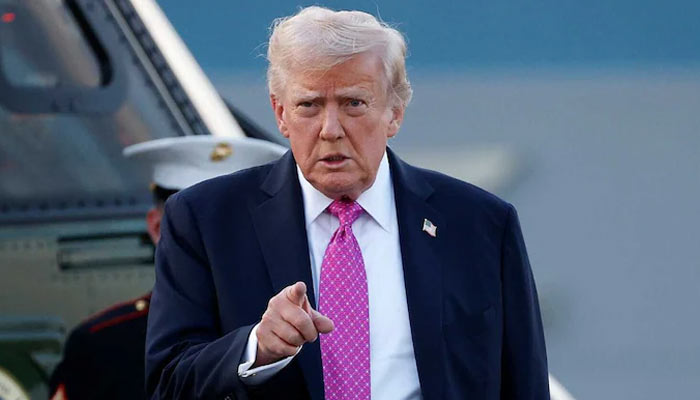
US President Donald Trump on Wednesday announced a phased tariff regime on imported generic medicines, saying.
The move is intended to boost domestic pharmaceutical manufacturing and reduce America’s reliance on overseas suppliers. The decision could significantly impact India, which is among the largest exporters of generic drugs to the United States.
As per the new policy, generic medicines imported into the US will continue to enjoy zero tariffs for a two-year transition period beginning August 1, 2026. A 100 per cent tariff will take effect from August 1, 2028, before rising to 200 per cent a year later for companies that continue to manufacture outside the US.
The proposed tariffs are expected to pose challenges for Indian pharmaceutical companies, which depend heavily on the American market. According to a Global Trade Research Initiative (GTRI) report, India exported pharmaceutical products worth $9.7 billion to the US in 2025, representing around 38 per cent of its total pharmaceutical exports valued at $25.8 billion.
Indian manufacturers are key suppliers of affordable generic medicines in the US, providing treatments for diseases such as diabetes, hypertension, cancer, infectious illnesses and mental health conditions.
Announcing the decision on his social media platform, Truth Social, Trump said the tariff plan would encourage drugmakers to relocate manufacturing facilities to the United States.
“The objective of this policy is to protect the people of the United States,” Trump said, adding that companies choosing not to shift production during the transition period would be subject to the higher tariffs. He also clarified that the new policy would not apply to patented, branded or innovative medicines, which will continue under the existing framework.
The announcement forms part of Trump’s broader “America First” trade strategy, which seeks to strengthen domestic manufacturing through higher import duties. He claimed pharmaceutical companies are already investing in new production facilities across the US at a record pace.
Industry analysts say the proposed tariff structure could reshape global pharmaceutical supply chains and force exporters to reassess their manufacturing strategies. For Indian drugmakers, whose revenues are closely tied to the US market, the policy could squeeze profit margins and reduce export competitiveness unless production is shifted to the United States or alternative markets are developed.
Comments are closed.