
Unlike His Father, Mojtaba Khamenei Favours Stronger Nuclear Deterrence: Report

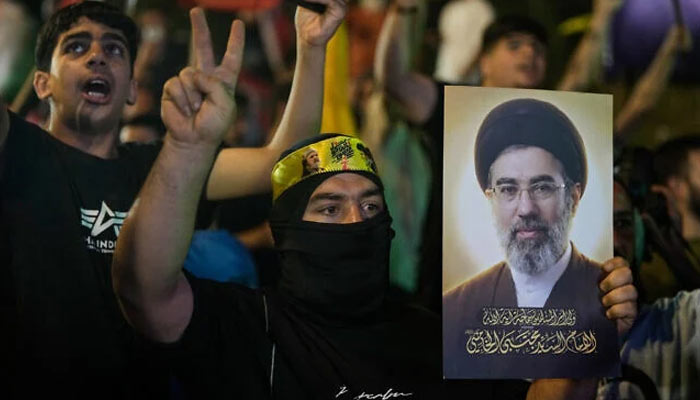
Mojtaba Khamenei More Inclined Towards Nuclear Weapons Than His Father, Says US Intelligence Report
Iran’s Supreme Leader Ayatollah Mojtaba Khamenei is believed to be more willing than his father and predecessor, Ayatollah Ali Khamenei, to pursue nuclear weapons, according to a US intelligence assessment cited by The New York Times.
The report says American intelligence agencies believe Mojtaba Khamenei and a growing group of hardliners who gained influence after the recent conflict with the US and Israel are more open to advancing Iran’s nuclear programme. However, officials also caution that much of this assessment is based on intelligence gathered before the war.
Harder line on nuclear programme
According to the report, while Ali Khamenei strongly backed Iran’s nuclear programme, US officials believed he remained reluctant to take the final step of developing a nuclear weapon. Mojtaba Khamenei, by contrast, is viewed as more inclined to pursue that option if Iran’s leadership considers it strategically necessary.
The report notes that Mojtaba has never publicly called for Iran to build nuclear weapons, but intelligence agencies believe his views align more closely with influential hardliners advocating a tougher national security policy.
Out of public view since conflict
Mojtaba Khamenei has not appeared publicly since the conflict between Iran, Israel and the United States escalated earlier this year.
US officials quoted in the report say he was injured during the strike that killed his father and has since kept a low profile due to security concerns. They also note that he did not attend Ali Khamenei’s funeral, despite assuming the country’s highest leadership position.
Nuclear tensions remain at the forefront
The leadership transition comes at a time of heightened tensions between Tehran and Washington over Iran’s nuclear activities. Diplomatic efforts to revive the 2015 nuclear agreement remain stalled, while both sides continue to accuse each other of escalating the crisis.
The report also says the current Iranian leadership has adopted a tougher negotiating stance and is asserting greater control over strategic waterways, including the Strait of Hormuz.
Iran reportedly protecting nuclear assets
Meanwhile, The Wall Street Journal reported that Iran has begun safeguarding key parts of its nuclear infrastructure following US strikes on facilities at Natanz, Fordow and Isfahan. According to the report, US officials believe Tehran has transferred some centrifuges to a heavily fortified underground complex known as Pickaxe Mountain, a site considered less vulnerable to potential future attacks.
With regional tensions continuing to rise, Western intelligence agencies are closely monitoring whether Iran’s new leadership alters the country’s nuclear policy in the months ahead.
Comments are closed.