
Iran Says It Controls Strait of Hormuz, Rejects Trump’s US Control Claim

A senior Iranian official on Thursday said the Strait of Hormuz remains under the control of the Islamic Republic, rejecting US President Donald Trump’s claim that Washington has taken control of the strategic waterway.
Hossein Taeb, head of Iran’s paramilitary Basij forces affiliated with the Revolutionary Guards, said the strait was being managed by Iran and that the country continued to operate there securely, Iranian state television reported.
The statement came amid a growing standoff between Tehran and Washington over efforts to revive a June interim agreement aimed at ending the conflict in the Gulf. A senior Iranian source said there had been no progress in talks on restoring the deal or setting a timeline for fulfilling its commitments.
The June agreement called for an immediate and permanent halt to military operations. However, the arrangement quickly broke down, with Trump declaring it “over” on July 7 and Iran’s foreign ministry saying a week later that it had been suspended.
Washington has accused Tehran of violating its commitment to reopen the Strait of Hormuz, a key global shipping route. Iran has countered that the US failed to meet its own obligations, including lifting a blockade of Iranian ports and releasing frozen Iranian assets.
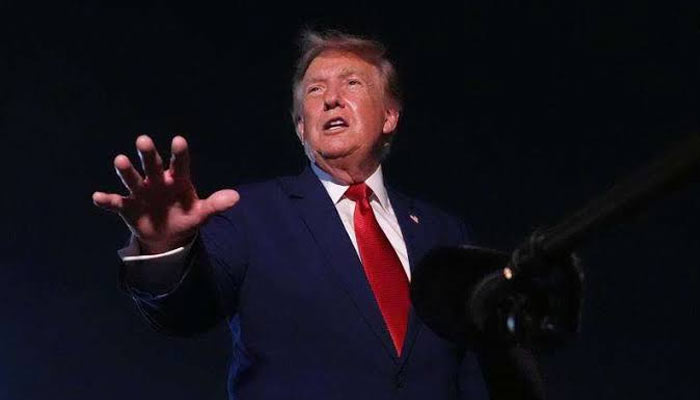
Trump on Wednesday claimed that the United States had “total control” of the Strait of Hormuz and said Washington would retain control of it. He also described the US naval blockade as a “wall of steel.”
The Iranian source said there had been no progress on a proposal for Washington to return to the interim agreement and establish a timeline for implementing its commitments. There was no immediate response from the US.
Iran rejects talk of extending ceasefire
The June agreement provided a 60-day period, extendable by mutual consent, for Iran and the US to negotiate a final deal limiting Tehran’s nuclear programme in return for the lifting of US sanctions. The Iranian source also dismissed a report by Turkiye’s Anadolu news agency that Pakistan had said the two sides agreed to extend the 60-day period.
Iran does not recognize the period as valid, the source said, arguing that Washington breached the interim agreement shortly after it was reached and withdrew from it days later.
Tensions have risen sharply in recent days. Iran’s top security official, Mohsen Rezaei, said Tuesday that the Strait of Hormuz would remain closed unless the US accepted Iran’s conditions for ending the war.
Trump has also demanded that Iran compensate victims of conflicts, attacks and protests spanning five decades. Despite the escalating rhetoric, Trump has repeatedly suggested that a peace agreement could still be reached, while also warning of further escalation.
Shipping disruptions raise global energy concerns
The Strait of Hormuz, which lies between Iran and Oman and provides the main maritime entrance to the Gulf, handled around one-fifth of global oil and liquefied natural gas flows before the war.
Brent crude prices have risen sharply since the conflict began in February, reaching $126 a barrel at their peak, around 75% above pre-war levels. Prices have remained volatile as markets assess the risk of further disruptions to Gulf energy supplies.
The concerns intensified following attacks on shipping on Tuesday. Four crew members were killed when Iran-backed Houthi forces attacked a small cargo ship near the Bab al-Mandab Strait, marking the group’s first deadly attack on shipping since the start of the conflict.
The US military also said a Navy MH-60 helicopter fired two Hellfire missiles to disable the steering system of a Panama-flagged cargo ship.
US Central Command said the vessel had ignored repeated warnings to stop violating a naval blockade on Iranian ports. Maritime sources said the ship was struck off Pakistan while sailing toward the Gulf of Oman.
Comments are closed.