
Sleep Paralysis: Why It Happens at Night and What You Can Do About

Sleep Paralysis: Why You Wake Up Unable to Move and How to Cope
Sleep paralysis is a brief episode in which a person becomes conscious while temporarily unable to move or speak. It can happen as you are falling asleep or waking up and, although often frightening, usually ends within seconds or a few minutes.
The phenomenon is closely linked to REM sleep, when most vivid dreaming occurs. During this stage, the brain naturally limits voluntary muscle movement so that people do not physically act out their dreams. Sleep paralysis can occur when the brain becomes alert before normal muscle control returns.
What Causes Sleep Paralysis?
Several factors may increase the likelihood of experiencing sleep paralysis. These include:
- Not getting enough sleep
- Irregular sleep schedules
- Stress or anxiety
- Poor sleep routines
- Sleeping on your back
- Frequent disruption to normal sleep patterns
Nighttime habits, including excessive screen use, may also contribute to poor sleep quality and indirectly increase the chances of an episode.
Why Do People See or Hear Things?
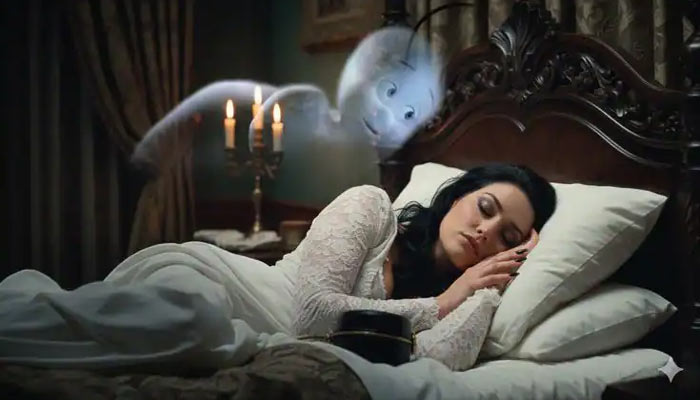
Hallucinations can make sleep paralysis particularly disturbing. A person may see a shadowy figure, hear voices or sounds, experience unusual sensations or feel that someone is standing nearby. These experiences can feel completely real because dream imagery may continue briefly as the person regains awareness. They are a recognised feature of sleep paralysis rather than evidence of a supernatural presence.
How to Handle an Episode
Try to remind yourself that the paralysis is temporary. Focus on taking slow, controlled breaths and avoid panicking. Concentrating on a small movement, such as wiggling a finger or toe, may also help as normal muscle control returns.
To reduce the chances of future episodes, aim for a consistent sleep schedule, adequate rest and good sleep habits. If episodes become frequent, cause significant distress or interfere with your ability to sleep, consult a healthcare professional for appropriate evaluation and advice.
Comments are closed.