

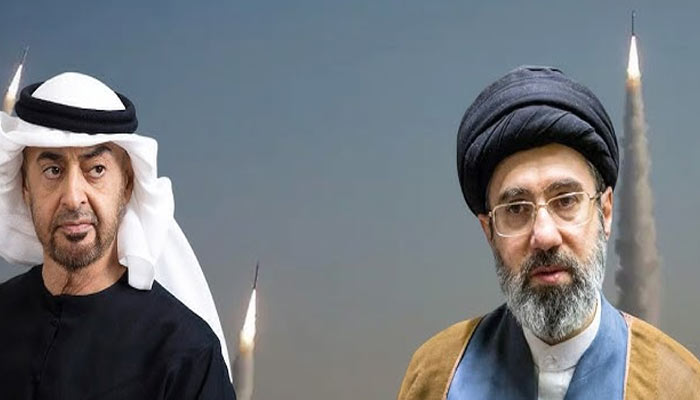
Iran Dismisses UAE’s Missile Attack Claim as ‘Baseless’ Amid Gulf Tensions
Iran has “categorically rejected” the United Arab Emirates’ claim that Tehran launched ballistic missiles towards the Gulf state, calling the allegation “baseless” and warning that such accusations could damage regional efforts to restore trust.
Iranian Foreign Ministry spokesperson Esmail Baghaei said the allegation was contrary to the principle of good neighbourliness and could undermine attempts to prevent further escalation in the region. In a statement, Baghaei urged regional countries to refrain from making what he called “baseless accusations” against Iran, pointing to the already complex security situation in the Middle East.
He also blamed actions by the United States and Israel for worsening regional instability and referred to what he described as a history of “false flag operations”.
UAE Says Two Missiles Were Fired
Iran’s response followed an announcement by the UAE on Tuesday that its air defences had detected two ballistic missiles launched from Iran towards the country. The UAE said the first missile fell outside its territorial waters, while the second landed within its territorial waters.
A later assessment by UAE authorities said the missiles appeared to have been targeting maritime navigation before falling into the sea. The announcement came shortly after UAE residents received a phone alert warning of a “potential missile threat”. It was the latest in a series of such alerts following previous warnings in June and July.
UAE Suspends Trade With Iran
Amid the escalation, the UAE announced the suspension of trade and financial transactions with Iran until further notice. The move adds to growing tensions around the Strait of Hormuz, a crucial shipping route through which vessels leaving UAE ports must pass to exit the Gulf.
Iran has said the waterway will remain closed until it reaches a peace agreement with the United States, raising concerns over the impact on regional shipping and energy supplies.
ADNOC Tankers Targeted
The latest dispute comes amid reports of repeated attacks on tankers belonging to the UAE’s state-owned oil company ADNOC in recent weeks. When the broader Middle East conflict began on February 28, the UAE was reportedly targeted by nearly 3,000 Iranian missiles and drones, making it one of the most heavily affected countries in the region.
A memorandum of understanding reached between the two sides in June had been followed by a period without reported attacks on the UAE. However, that arrangement has since collapsed, with fresh tensions now emerging in the Gulf.
Comments are closed.