
NASA Boosts Efforts to Return Boeing’s Starliner to Flight After Butch-Suni Mission Setback

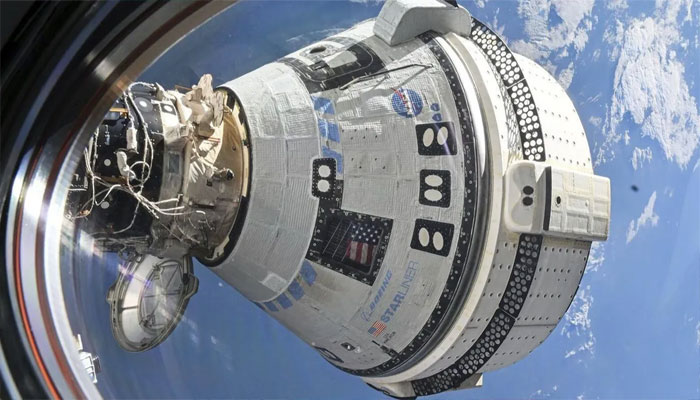
NASA is putting additional funding and technical support behind Boeing’s Starliner spacecraft in an effort to return the troubled capsule to service after its high-profile 2024 crewed mission setback.
Starliner’s problems during the 2024 test flight left astronauts Butch Wilmore and Suni Williams aboard the International Space Station for nearly a year. NASA subsequently classified the mission as a “Type A mishap,” its most serious category for a crewed spaceflight incident.
NASA Administrator Jared Isaacman said Boeing is now targeting December for another Starliner flight to the space station. The upcoming mission is planned as an uncrewed cargo flight, giving NASA and Boeing an opportunity to test the spacecraft after a series of safety and design changes.
Crewed Starliner flights are not expected to resume until 2028. NASA officials said further redesigns and testing are needed before astronauts can return to the capsule.
NASA manager Dana Weigel stressed that the spacecraft must meet the agency’s safety requirements and that engineers need confidence that the issues identified during the previous mission have been resolved.
NASA astronaut Woody Hoburg, who is slated to command the next Starliner mission, said the programme was moving forward. He also praised Wilmore and Williams, describing them as American heroes and saying he was honoured to follow their mission.
NASA Wants an Alternative to SpaceX
NASA has sought two US-based crew transportation systems since the Space Shuttle programme ended. The agency awarded multibillion-dollar contracts to Boeing and SpaceX to develop spacecraft capable of carrying astronauts to and from low Earth orbit.
SpaceX’s Crew Dragon became the first commercial spacecraft to carry NASA astronauts into orbit in 2020 and has since become the agency’s operational crew transport system.
Boeing’s Starliner faced years of delays and technical problems before carrying Wilmore and Williams to the ISS. Because of concerns over the spacecraft’s reliability, the astronauts ultimately returned to Earth aboard a SpaceX Dragon capsule about nine months later.
$359 Million More for Starliner
NASA plans to spend an additional $359 million on Starliner upgrades and related rocket certification work, according to Weigel.
The planned improvements include new valves and seals along with other modifications intended to address problems identified during previous flights.
The agency also sees a continued role for Starliner beyond the current space station, which NASA plans to retire and deorbit by 2031. Several private companies are developing commercial space stations that will require reliable crew transportation.
SpaceX, meanwhile, is developing the much larger Starship for missions aimed at the Moon, Mars and other destinations. NASA therefore continues to pursue Starliner as another US option for transporting astronauts to orbit.
Isaacman said NASA remains committed to completing the programme with Boeing and believes the spacecraft is now moving towards a return to flight.
Comments are closed.