

EU Slams Move to Ease Russian Diesel Sanctions, Says Moscow Could Gain War Funding
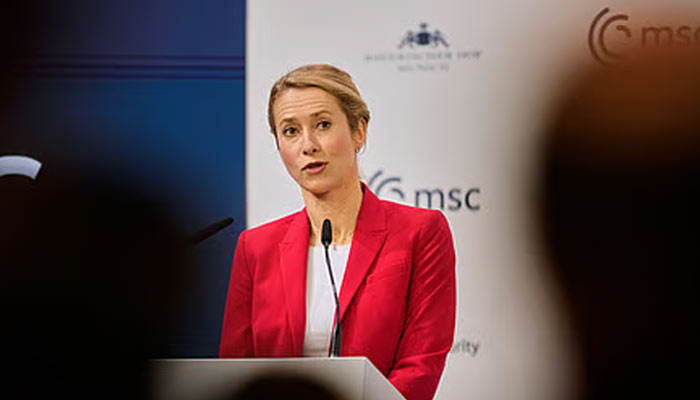
European Union foreign policy chief Kaja Kallas has warned that easing sanctions on Russian diesel would provide the Kremlin with additional revenue to continue its war against Ukraine, reaffirming Europe’s opposition to relaxing economic pressure on Moscow.
Her comments on Saturday came after US President Donald Trump announced that Russia had agreed to a major diesel supply deal. Washington’s decision to ease certain war-related sanctions is aimed at reducing energy costs ahead of the US midterm elections.
Kallas criticised the move, citing continued Russian attacks on Ukraine and what she described as an increase in hybrid threats against European countries.
In a social media post, she said Russian strikes had killed more than 80 Ukrainian civilians in two days. She also accused Moscow of stepping up hybrid attacks against European Union member states and NATO allies.
Warning against easing restrictions, Kallas said suspending sanctions on Russian diesel would generate additional revenue for Moscow to finance its military campaign. She stressed that the EU would not relax its pressure on Russia.
Trump’s Decision Triggers Backlash
Trump’s announcement on Friday prompted a sharp response from Ukrainian President Volodymyr Zelensky and raised concerns within the European Union over the implications of easing restrictions on Russian energy supplies.
While the US administration is seeking to bring down fuel prices, European officials have maintained that sanctions remain an important instrument for pressuring Moscow over its invasion of Ukraine.
The EU is preparing to expand its own punitive measures. Foreign ministers from the bloc are scheduled to formally add around 1,600 individuals and entities to the sanctions blacklist on Monday over the conflict.
The planned additions reflect Brussels’ intention to continue tightening restrictions despite Washington’s decision to ease certain sanctions.
EU Calls for Protection of Energy Infrastructure
Responding separately to Trump’s diesel deal, the European Commission reiterated its call for a ceasefire that would protect critical infrastructure in both Ukraine and Russia. The Commission said safeguarding energy infrastructure and global food supplies remained essential amid the ongoing conflict.
It also highlighted Europe’s experience with dependence on Russian hydrocarbons, warning of the hidden costs and strategic risks associated with relying heavily on Russian energy. The EU executive made clear that Europe did not want its energy policies to contribute to financing Russia’s military campaign against Ukraine.
Differences Emerge Over Russia Policy
The latest developments highlight differing approaches between Washington and Brussels towards sanctions and Russian energy supplies. The Trump administration’s move seeks to address energy costs, while EU officials remain concerned that easing restrictions could strengthen Moscow’s financial capacity to sustain the war.
Kallas’s remarks underline the bloc’s position that economic pressure on Russia should remain in place. With additional sanctions measures expected, the EU appears determined to maintain its approach even as the United States pursues steps to ease pressure on energy markets.
Comments are closed.